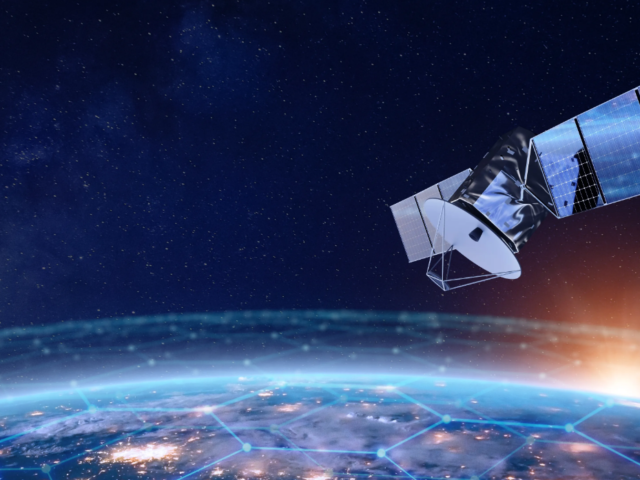

Satlyt is taking another step towards building space-based data centres, but instead of launching massive computing machines into orbit, the startup wants to turn existing satellites into a connected network that can share computing tasks.
The company recently completed a successful in-orbit software test with the University of Houston as part of a NASA-funded research project. It brings the idea of virtual data centres in space one step closer to reality.
How Does Satlyt’s Technology Work?
Satellites constantly collect information through cameras, sensors and other onboard systems. Traditionally, much of this data needs to be transmitted back to Earth for processing, which can be expensive and slow.
Satlyt wants to change that by allowing satellites to process information directly in orbit and eventually share computing workloads with other spacecraft. Its software acts like a coordination layer, deciding which satellite should handle a particular task based on available computing resources and communication links.
For example, if a satellite detects a wildfire, it could process the relevant imagery in orbit and send useful information to Earth instead of transmitting large amounts of raw data.
What Did the Latest Test Prove?

The recent experiment tested whether Satlyt’s software could distribute computing tasks based on hardware and communication availability.b The simulated network included four computers, four users and eight services. However, an important distinction is that only one physical computer aboard a spacecraft was running the software in orbit. The other computers were simulated.
The test successfully demonstrated that the software could generate computing plans onboard and send the results back to Earth. The company still needs to demonstrate actual workload sharing between multiple physical satellites.
Why This Matters for the Space Industry
Satlyt is not building its own satellites. Instead, it wants to make existing spacecraft more useful by providing software that allows different satellite operators to share computing resources.
The startup raised $8 million in seed funding in October 2026, led by Non Sibi Ventures, to expand its technology and deployments. Its longer-term goal is to create a network where developers can run applications across multiple satellites without having to build separate infrastructure for every mission.
The Road Ahead
There are still significant challenges, including communication delays, security, hardware limitations and coordination between spacecraft operated by different companies. Satlyt plans to conduct broader testing before demonstrating computing workloads shared across separate satellites. The bigger idea is simple: instead of sending all satellite data back to Earth, let satellites process more of it themselves.
If this approach works at scale, space could become more than a place for collecting data. It could become a place where computing actually happens.
Follow Tepi AI for more updates on AI, space technology and emerging startups.
-Written By Shubham Singla