AI can generate stunning images of buildings in seconds. But can it design a building that actually stands, with the right materials, structural support, plumbing, and electrical systems? Two former Palantir executives think they can make it happen.
Meet Dream, a new AI startup that has emerged from stealth with $17 million in seed funding led by Andreessen Horowitz (a16z). Its mission is ambitious: transform how buildings are designed and engineered using AI world models.
Founded by former Palantir executives Andy Elder and Arjun Mathur, the startup wants to bring AI into an industry that still relies heavily on traditional design software and manual engineering workflows.
And investors are betting that construction could be one of AI’s next big opportunities.
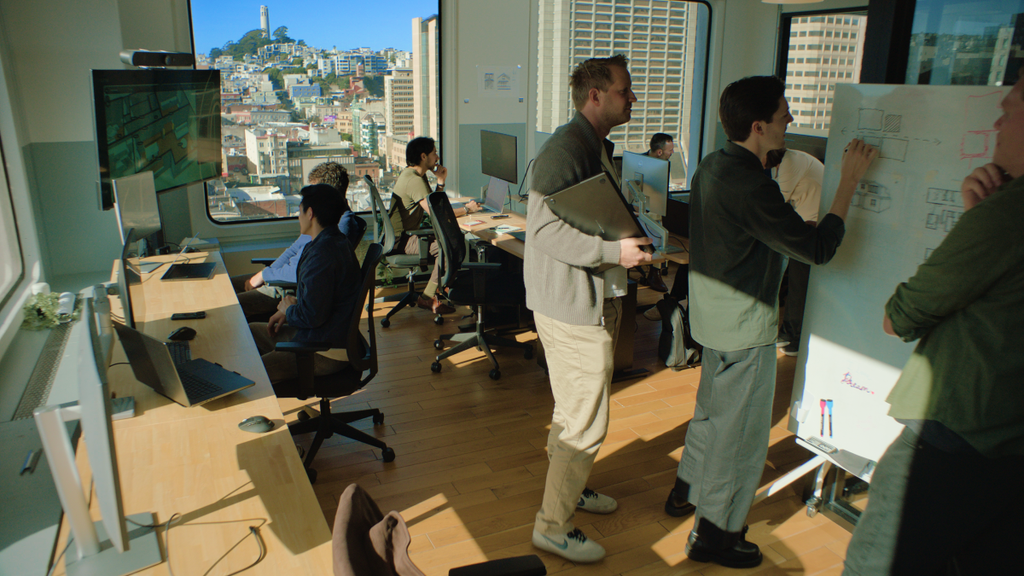
What Is Dream Building?
Most AI image generators can create a realistic picture of a house or skyscraper. But a building that looks convincing in an image is not necessarily structurally sound.
Dream wants to solve this problem by developing AI models that understand how buildings actually work.
Its technology is designed to generate building designs grounded in physics and construction standards. That includes understanding structural components such as beams, the materials used in construction, the loads those structures can support, and internal systems such as plumbing and HVAC.
Dream calls this approach “structural cognition.”
Rather than simply generating a visual concept, its models aim to understand what exists inside a building and how its different components fit together.
The startup says its world model has been trained on data covering more than 100 million square feet of buildings, collected from building permit archives across the United States.
This could help architects, engineers, and developers move from early concepts to more detailed building designs and cost estimates.
Why Is Construction an AI Opportunity?
Despite rapid advances in technology, architecture, engineering, and construction still involve substantial manual work.
Professionals often use established tools such as Autodesk AutoCAD and Revit to create and modify designs. Building projects also involve coordination between architects, structural engineers, contractors, and other specialists.
This complexity can make planning expensive and time-consuming.
Dream believes AI could automate significant parts of these workflows, allowing teams to explore design options more quickly and estimate project costs earlier.
The opportunity is particularly interesting because errors in building design can lead to expensive changes during construction.
However, AI-generated designs still need rigorous engineering validation, regulatory compliance, and professional oversight before they can be used for real-world construction.
Who Invested $17 Million?
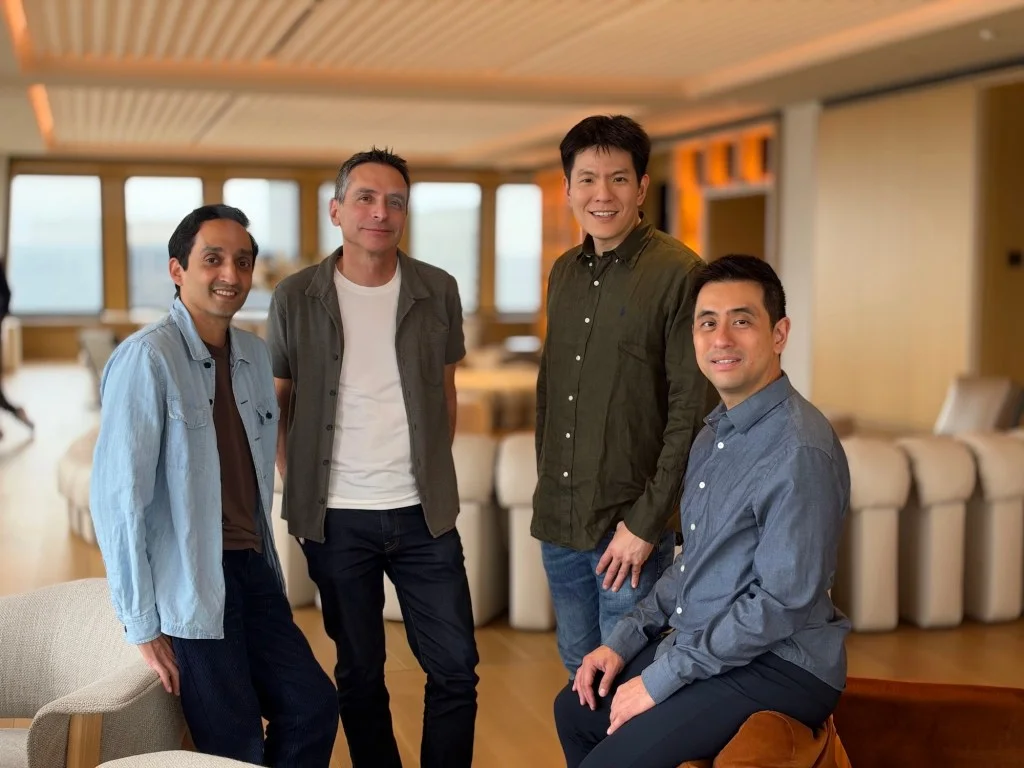
Dream’s $17 million seed round was led by Andreessen Horowitz (a16z), with participation from SV Angel, XYZ, and Zigg Capital.
The founders bring substantial technology experience to the business. Elder led product design at Palantir for a team building software for US defense and intelligence agencies, while Mathur served as a senior vice president in Palantir’s commercial practice.
Despite not coming from traditional architecture backgrounds, the founders see an opportunity to apply advanced software and AI techniques to an industry they believe has significant room for productivity improvements.
According to TechCrunch, Dream’s platform is already being used across 10 active projects in Texas and California, where architecture, engineering, and construction professionals use it to develop concepts and estimate building costs.
The company is also entering a competitive market. Startups such as Motif, Snaptrude, and Arcol are exploring ways to modernize building design with AI.
Dream’s challenge will be proving that its technology can deliver reliable results across real projects, not just impressive demonstrations.
Could AI Replace Traditional Building Design Software?
Dream aims to challenge the established tools used by architects and engineers, including AutoCAD and Revit.
But replacing software that professionals rely on for complex, regulated projects will not happen overnight.
Construction requires accuracy, accountability, and compatibility with existing workflows. AI must demonstrate that it can handle these requirements consistently before firms can trust it with increasingly complex tasks.
Still, Dream represents a broader shift in AI development.
The industry is moving beyond models that simply generate text or images toward systems designed to understand physical environments, constraints, and interactions.
These capabilities could eventually have applications beyond buildings, including infrastructure planning, industrial facilities, and other complex engineering projects.
The Takeaway for Founders
Dream’s $17 million funding round highlights an important opportunity in the AI market: building specialized AI for industries where mistakes are expensive and existing workflows remain highly manual.
The next major AI startup may not be another chatbot or image generator. It could be a company that helps engineers design safer buildings, developers reduce planning costs, or construction teams avoid expensive mistakes.
Dream is betting that AI can do more than imagine the future. It can help design the physical world around us.
Whether it can deliver on that ambition will depend on how accurately its models perform in real projects and how readily the construction industry adopts them.