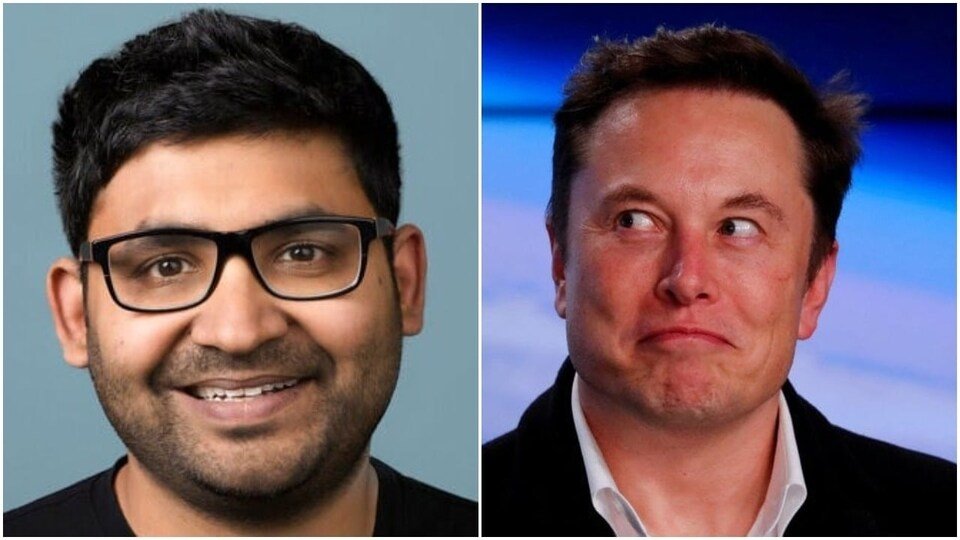
He lost his job as Twitter’s CEO after Elon Musk’s takeover. Now, Parag Agrawal is back in the spotlight, leading an AI startup valued at $2 billion. And he is betting on a future where AI agents, not humans, become the web’s biggest users.
When Elon Musk acquired Twitter for $44 billion in October 2022, Parag Agrawal was among the top executives who lost their positions. Nearly four years later, Agrawal has built a new venture that is attracting major investors and attention across the AI industry.
His startup, Parallel Web Systems, raised $100 million in Series B funding in April 2026, led by Sequoia Capital, reaching a valuation of $2 billion. The round brought its total funding to approximately $230 million. Source: TechCrunch
But what exactly is Parallel building, and why are investors betting so heavily on it?
What Is Parallel Web Systems?
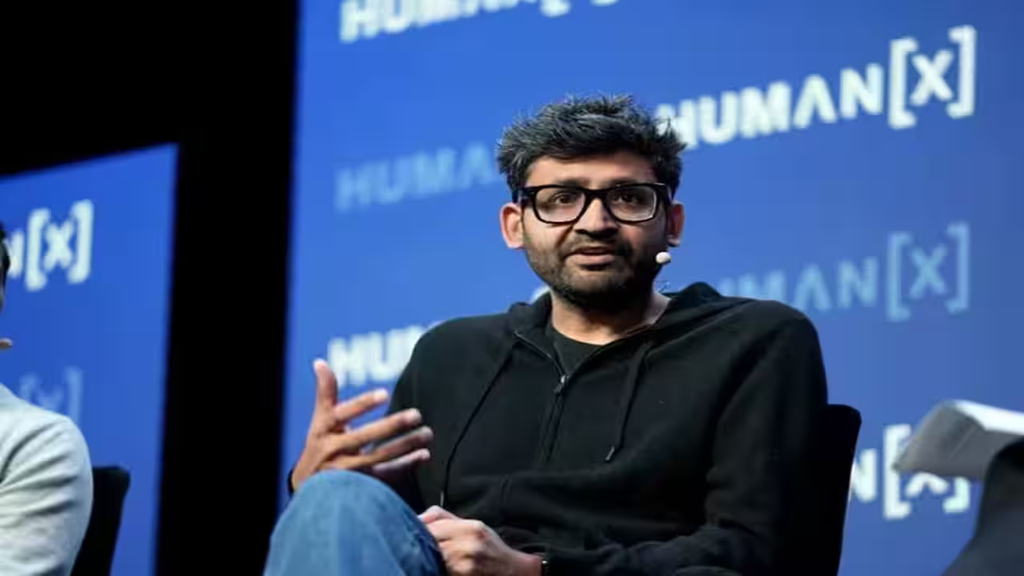
Founded in 2023, Parallel Web Systems is developing infrastructure that helps AI agents search, access, and research information across the internet.
Think about how an AI assistant works. When you ask it to research a company, compare products, or analyse an industry, it needs access to accurate and up-to-date information from the web.
That is where Parallel comes in.
The startup provides web search and research APIs designed specifically for AI agents. These tools help AI systems retrieve information from live websites and return structured results that can be used to complete complex tasks.
Instead of simply showing a list of links, the technology helps AI agents gather relevant information, extract facts, and produce research with supporting sources.
For businesses building AI products, this infrastructure can reduce the difficulty of connecting AI models to reliable web information.
Why Does AI Need Its Own Internet Infrastructure?
Today’s internet was primarily designed for people. Humans search for information, click links, read articles, and decide what matters.
AI agents work differently. They can conduct multiple searches, gather information from different sources, and process data in the background without requiring a person to guide every step.
Agrawal believes this shift could fundamentally change how the internet is used.
His vision is that AI agents will eventually access the web far more frequently than humans do. If that happens, the infrastructure supporting web access, information retrieval, and automated research could become increasingly important.
Parallel is betting on that future.
Its platform serves developers and businesses building AI-powered applications, including companies such as Harvey, Notion, Clay, and Opendoor. The company has reported more than 100,000 developers using its products. Source: Parallel’s funding announcement
From $740 Million to $2 Billion in Five Months
Parallel’s fundraising journey has been remarkably fast.
In November 2025, the company raised $100 million in Series A funding at a $740 million valuation, co-led by Kleiner Perkins and Index Ventures.
Just five months later, it secured another $100 million in Series B funding at a $2 billion valuation, with Sequoia Capital leading the round.
The latest raise more than doubled its previous valuation, highlighting investor confidence in the infrastructure needed to power AI agents.
However, a $2 billion valuation represents what investors are willing to value the company at during a funding round. It does not mean the startup generates $2 billion in revenue.
What Happened After Twitter?

Before founding Parallel, Agrawal spent around a decade at Twitter, progressing from engineer to chief technology officer before becoming CEO in November 2021.
His tenure as chief executive lasted approximately 11 months before Musk acquired the company and removed him from the role.
Agrawal and three other former Twitter executives later pursued a legal claim over severance payments. The dispute was settled in 2025 on undisclosed terms. Source: StartupFeed
Rather than returning to another corporate leadership role, Agrawal chose to build a company around a major technological shift.
Parallel’s rapid growth illustrates how experienced technology leaders can identify new opportunities and use their expertise to build businesses in emerging markets.
What Can Founders Learn From This?
Parallel’s story offers a useful lesson for founders watching the AI industry.
The biggest opportunities are not necessarily limited to creating another AI chatbot or building a new foundation model. Some of the most valuable businesses may emerge from the infrastructure that allows AI products to work reliably.
As AI agents become more capable, they will need dependable ways to access information, interact with digital services, and complete tasks. Startups solving these underlying problems could become important players in the AI ecosystem.
For founders, the question is worth considering: What will every AI application need, regardless of which model wins?
Parallel is betting that access to the web will be one of those essential building blocks.
The takeaway: Parag Agrawal’s journey from Twitter CEO to founder of a $2 billion AI startup is more than a comeback story. It is a sign that the next phase of AI competition may be fought not only over smarter models, but also over the infrastructure that makes them useful.
Follow Tepi AI for the latest AI developments, startup funding, founder stories, and emerging technology opportunities.