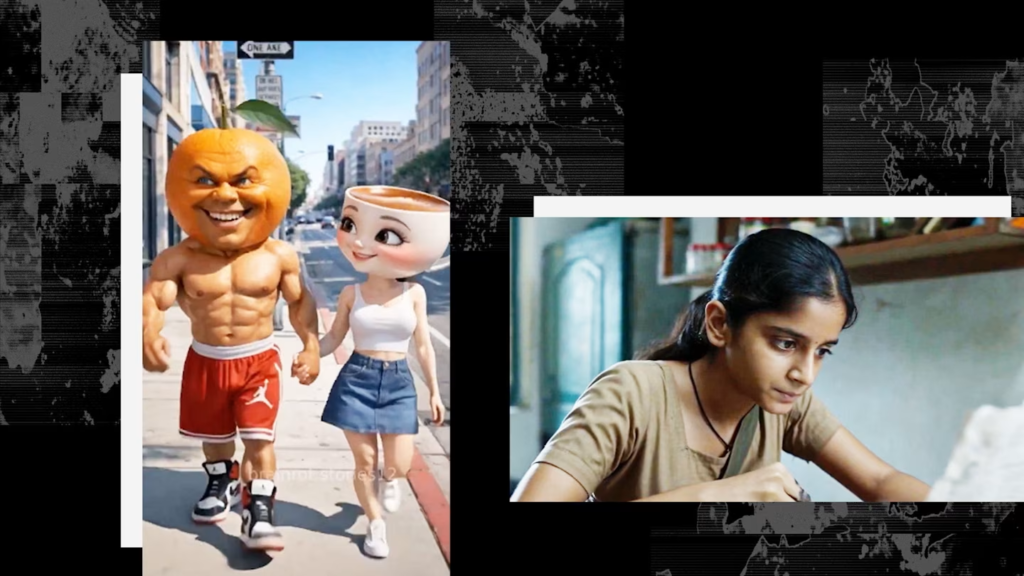
The landscape of generative AI is undergoing a rapid geographical shift as Chinese technology giants ByteDance and Kuaishou surge to the forefront of high-fidelity video production. While Silicon Valley has long been viewed as the epicenter of foundational model development, these platforms are effectively outpacing their western counterparts in output quality, efficiency, and real-world application. This development signals a significant recalibration of the global AI arms race, with major implications for the creative, advertising, and entertainment sectors that rely on automated visual generation.
The Technical Leap in Frame Consistency
The competitive advantage currently held by firms like ByteDance, the parent company of TikTok, stems from their ability to integrate massive datasets with specialized training architectures designed to handle the complexity of motion. By focusing on temporal consistency—a persistent hurdle for early generative video models—these companies have managed to produce clips that maintain structural integrity and coherence at longer durations. This technical maturity allows their platforms to transition from experimental research projects to functional tools capable of supporting high-end production workflows in industries that demand precise visual storytelling.
Pressure on Western Incumbents
For American heavyweights like OpenAI and Google, the sudden rise of these Chinese competitors adds a new layer of urgency to the deployment cycle. For months, the narrative surrounding AI video generation was dominated by localized testing phases and carefully curated demos from domestic players. However, the operational speed of ByteDance and Kuaishou suggests that the barrier to entry for high-quality synthetic media is plummeting. As these models move into broader public release, the market is bracing for a wave of content that could disrupt traditional stock media, ad agency creative processes, and independent film production alike.
Shifting the Global Creative Workflow
Beyond the underlying technology, the integration of these models into popular consumer applications means that the impact will be felt immediately by millions of users. Unlike enterprise-locked software, these tools are being woven into the fabric of social platforms where content creation is constant. By lowering the cost and time required to generate professional-grade video, these tech giants are effectively democratizing high-end digital production. This forces a broader industry conversation regarding the future of creative labor and the speed at which enterprise marketing strategies must evolve to keep pace with an increasingly automated landscape.
For real-time alerts on similar AI and tech updates, subscribe to the Tepi AI newsletter. Full details and application links are available in our dashboard.