
The rise of generative AI has fundamentally altered the aesthetic landscape, as a growing number of patients turn to large language models like ChatGPT to visualize their cosmetic surgery goals. By prompting AI tools to generate images of idealized faces and bodies, users are effectively creating beauty benchmarks that often defy human biology and surgical reality. This trend is creating a new friction point in the plastic surgery industry, where the lines between digital fantasy and physical capability are becoming increasingly blurred.
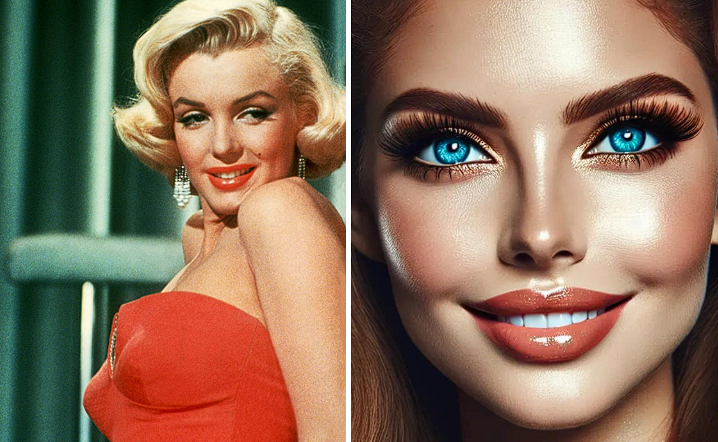
The Algorithmic Construction of Unattainable Beauty
The core issue lies in the predictive nature of AI image generation, which often draws from airbrushed social media content rather than medical feasibility. When patients present AI-generated portraits to surgeons, they are often seeking an aesthetic harmony that ignores bone structure, tissue elasticity, and the practical limitations of modern medicine. These digital artifacts lack the context of a physical consultation, leading to expectations that are not just aspirational, but fundamentally impossible to replicate in an operating room.
Shifting the Burden of the Consultation
For plastic surgeons, the influx of AI-generated references is changing the nature of the patient-provider relationship. Practitioners are now tasked with managing the gap between sophisticated digital simulations and clinical outcomes. This adds a new layer of psychological mediation to the surgical process, as doctors must work to deconstruct these AI-generated ideals to educate patients on what can be safely and realistically achieved. The focus is shifting from simply understanding a patient’s desires to correcting the distorted reality promoted by the tools they are using to define those desires.
The Growing Influence of Synthetic Standards
This phenomenon highlights a broader societal shift in how digital tools are shaping personal identity. As AI models become more integrated into daily life, their capacity to set standards—even beauty standards—is expanding rapidly. The challenge for the medical community is not just technical, but cultural; they must now navigate a market where patients arrive armed with machine-generated visualizations that carry the perceived authority of advanced technology. As these tools become more accessible, the industry may see a rise in professional skepticism toward user-generated AI renderings as a starting point for complex surgical interventions.
For real-time alerts on similar AI and tech updates, subscribe to the Tepi AI newsletter. Full details and application links are available in our dashboard.