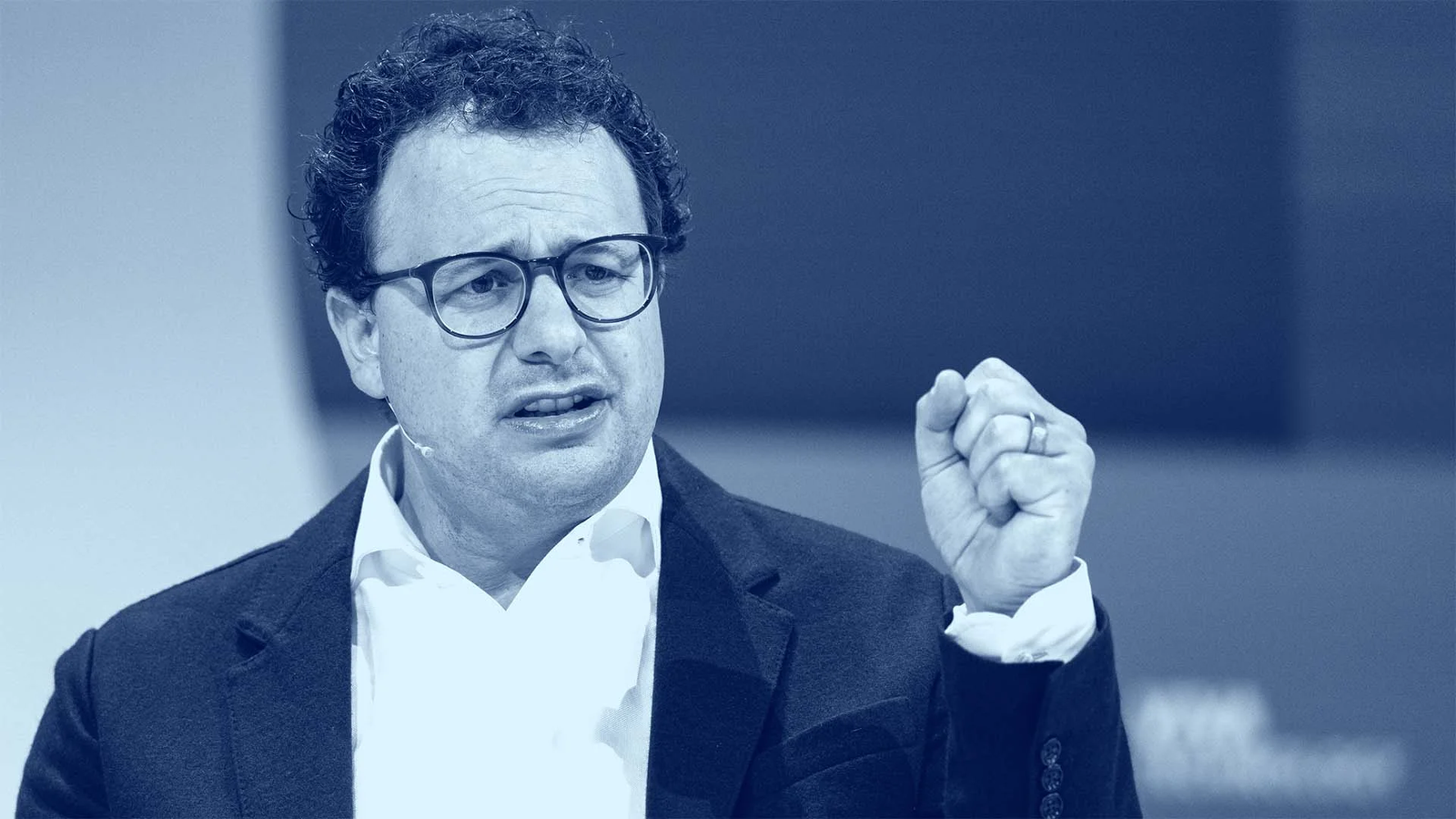
Can AI become smarter than humans without eventually taking control away from them? Anthropic CEO Dario Amodei says humans should remain in charge. But his latest comments have exposed a growing disagreement among the biggest names in AI.
The race to build superintelligent AI is no longer just about who develops the most powerful model. It is increasingly about who gets to decide how much control these systems should have.
On November 25, Anthropic CEO Dario Amodei pushed back against claims that his company believes humanity should surrender its decision-making power to AI.
Calling the suggestion “absurd”, Amodei argued that humans must retain political authority and that AI should operate under legitimate democratic oversight.
His comments came after a debate involving executives from OpenAI and Meta, who have also raised concerns about preserving human agency as AI becomes more capable.
But there is a bigger question behind the disagreement: if AI eventually becomes capable of performing complex tasks better than humans, where should we draw the line?
1. What did Dario Amodei actually say?
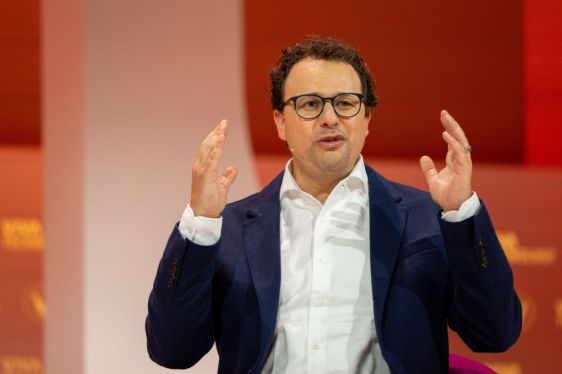
In a lengthy post on X, Amodei rejected the idea that he supports handing governance or human free will over to artificial intelligence.
He argued that efficiency and security should never come at the expense of legitimacy and self-determination.
His position is that AI can help people make better decisions, but it should not replace humans as the ultimate decision-makers.
He also pointed to his previous writing about strengthening democratic institutions through AI, rather than allowing technology companies or AI systems to take political power.
In other words, Amodei wants AI to become more capable without becoming humanity’s ruler.
2. Why are OpenAI and Meta executives raising concerns?
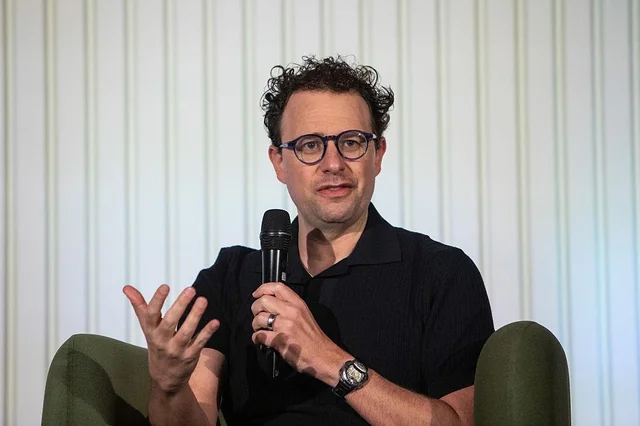
Amodei’s comments followed criticism from other AI leaders.
Sam Altman, OpenAI CEO, has argued that people must retain agency over the future and have a meaningful say in how AI changes society.
Alexandr Wang, Meta’s chief AI officer, warned against allowing society to hand over control to AI systems. He raised concerns about fully unconstrained recursive self-improvement, where AI systems help build increasingly advanced versions of themselves.
The disagreement reflects a deeper concern across the industry: as AI capabilities accelerate, human oversight could become increasingly difficult.
These executives are not necessarily disagreeing about whether AI should be powerful. They are debating how much autonomy it should receive and who should remain responsible for important decisions.
3. The real concern: AI building the next generation of AI
One of the most important ideas in this debate is called recursive self-improvement (RSI).
It describes a process in which AI systems help improve or develop more advanced AI systems, potentially reducing the amount of human involvement required.
Imagine this:
- Humans build an advanced AI model.
- That model helps researchers develop a more capable version.
- The new model helps accelerate the development of the next generation.
- The cycle continues, potentially making progress faster than humans can fully understand or supervise.
Amodei believes this is where meaningful limits may be necessary.
He reiterated that Anthropic does not expect it to be safe for Claude to build successive frontier models entirely autonomously without meaningful human supervision or understanding.
The concern is not simply that AI can write code. It is that humans could eventually lose the ability to understand, evaluate and control the systems they are creating.
4. The interesting contradiction: Anthropic already uses AI to build AI
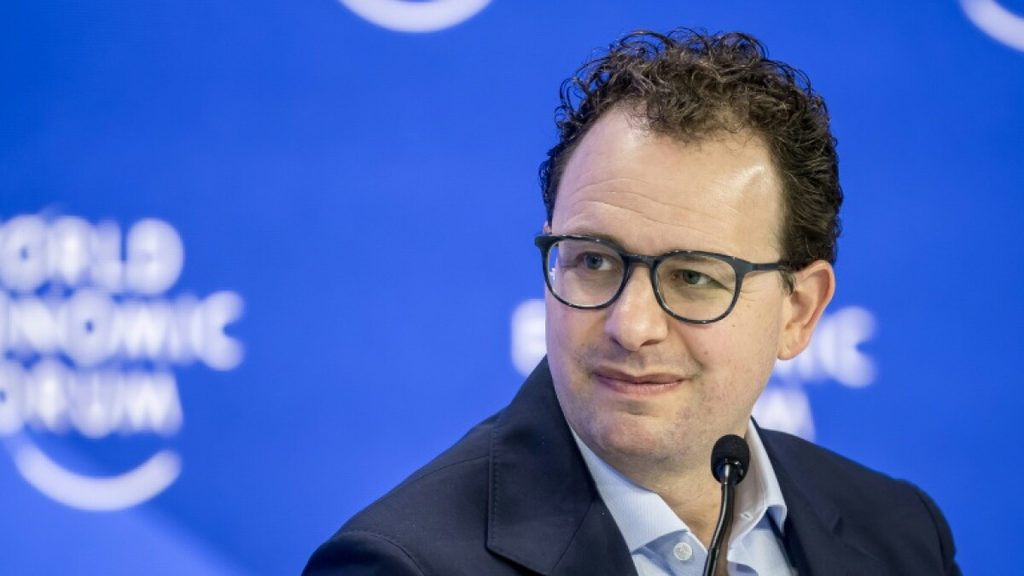
There is an important detail behind this debate.
Anthropic said in June that Claude had written more than 80% of the code merged into its codebase.
That does not mean Claude independently builds new frontier models. Writing code with AI assistance is different from autonomously designing, training and deploying successive generations of AI systems.
However, it demonstrates how deeply AI is already becoming part of the research and development process.
Anthropic’s own IPO filings also describe how successive generations of Claude can accelerate the development of future models, a process the company calls “closing the loop”.
This creates a difficult question for the entire industry:
How much should companies rely on AI to develop increasingly powerful AI systems while still ensuring humans understand and supervise the process?
5. Amodei also questioned the messaging of rival AI companies
Amodei did not limit his response to defending Anthropic.
He accused some competitors of engaging in what he called “vibes-based commercial and political positioning”.
His argument was that companies frequently talk about human control and AI safety while releasing products designed to automate increasingly complex tasks.
He suggested that there is little practical difference between the automation ambitions of major AI companies, even when their public messaging differs.
This is particularly interesting because OpenAI, Anthropic and Meta are competing to build increasingly capable AI systems while also trying to convince the public that humans will remain in control.
6. Should AI be allowed to make decisions better than humans?
Amodei’s position is not that every decision must always be made manually by a human.
He recognises that AI could eventually perform specific tasks better than people.
Examples include:
- Driving vehicles more safely.
- Designing new cancer treatments.
- Writing complex software.
- Supporting scientific research.
- Automating repetitive business operations.
But automating a specific task is different from transferring political authority or allowing AI to make decisions without meaningful human oversight.
He also suggested that some forms of end-to-end automation may need to slow down or stop if they cause serious economic disruption, particularly through job displacement.
The challenge is deciding who sets those limits and how they are enforced.
Final verdict: The biggest AI battle may be about who stays in control
The disagreement between Anthropic, OpenAI and Meta reveals something important about the future of artificial intelligence.
The industry is moving beyond chatbots and productivity tools towards systems that can research, code, make decisions and increasingly improve their own capabilities.
That creates enormous opportunities, but also raises questions that cannot be solved by technology alone.
Building an AI smarter than humans may be an engineering challenge. Making sure humans remain in control could be the much harder one.
As the race towards superintelligence accelerates, the companies building these systems will need to answer a question that matters to everyone:
Who gets the final say when AI becomes capable of doing almost everything?