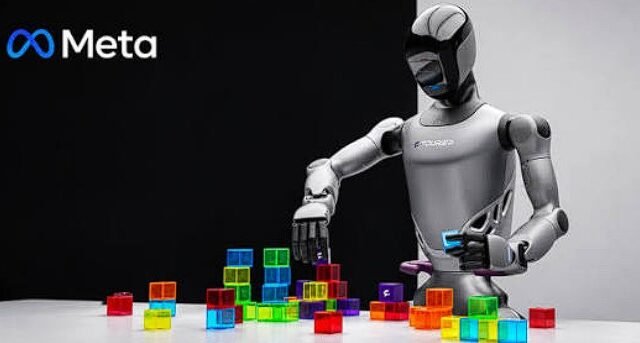
Meta is no longer limiting its AI ambitions to chatbots, smart glasses, and virtual assistants. The company is now stepping into humanoid robotics, building machines that could eventually bring artificial intelligence into people’s homes.
Imagine an AI assistant that doesn’t just answer your questions but can also look around your home, recognize objects, respond to gestures, and potentially help with everyday tasks.
Meta is taking a step toward that future.
The company has reportedly partnered with Chinese robotics startup Fourier to develop a humanoid robot prototype internally known as Max. According to a report by The Information, the two companies built the first prototype in approximately three months and have already started working on its successor.
Meet Max: Meta’s Humanoid Robot
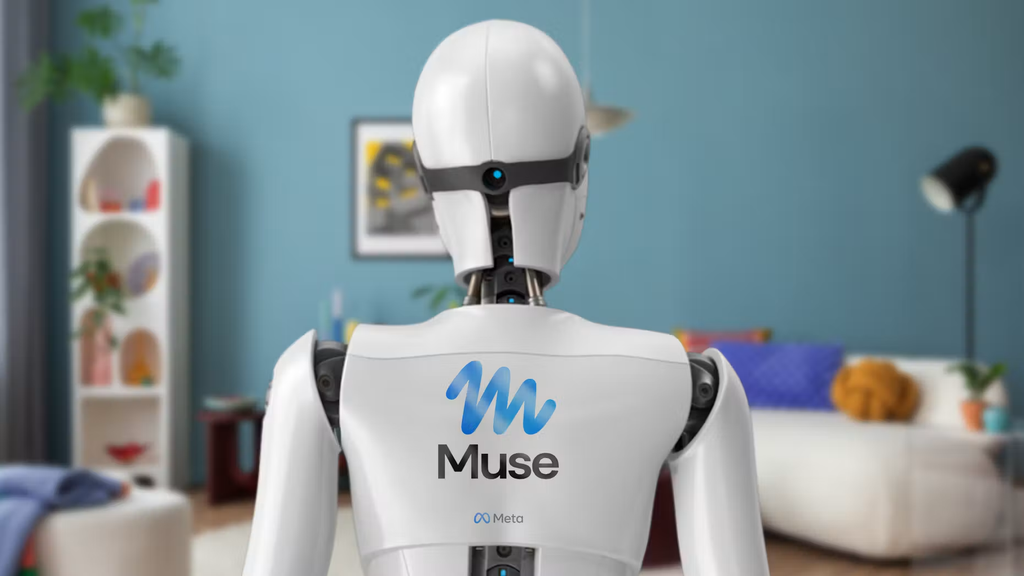
The prototype weighs approximately 106 pounds (48 kg) and stands around 1.5 metres tall.
Unlike traditional industrial robots designed primarily for factories, Max is being developed with human interaction and potential household applications in mind.
According to the report, the robot features:
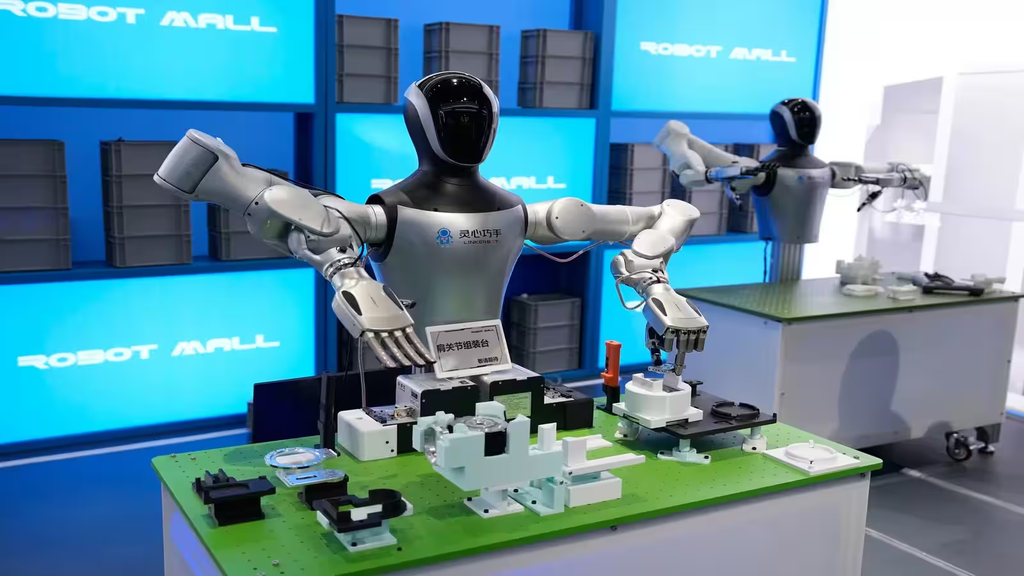
- Five-fingered hands: Designed to pick up and handle small objects.
- Expressive face: A display that can mimic human facial expressions.
- Built-in speakers: Allowing it to communicate through audio.
- AI-powered perception: Designed to recognize voices, interpret gestures, and interact with people.
Meta reportedly wants the robot to recognize a person’s voice from around five metres away and interpret hand gestures from approximately three metres away.
The companies also developed interaction requirements that allow the robot to communicate whether it is listening, thinking, speaking, or uncertain.
Why Did Meta Partner With Fourier?
Building a humanoid robot is significantly more complicated than developing an AI chatbot.
It requires advanced hardware, sensors, mechanical engineering, robotics software, and AI systems that can understand and interact with the physical world.
This is where Fourier comes in.
Based in Shanghai, Fourier is a robotics company known for developing rehabilitation robots and humanoid machines.
Its existing robotics expertise and hardware capabilities made it a suitable partner for Meta’s ambitions.
The collaboration also highlights an interesting trend in the robotics industry: technology companies with advanced AI capabilities are increasingly working with specialized robotics manufacturers to develop machines faster.
Meta Is Already Working on Max 2
The first prototype is apparently just the beginning.
According to The Information, Meta and Fourier started developing a second version, called Max 2, in September 2026.
The updated robot is expected to feature a redesigned torso, improved hands for object manipulation, a projector, and additional sensors to help it navigate stairs.
Meta is also expanding its robotics team and exploring the engineering capabilities needed to eventually manufacture robots at scale.
However, there is an important distinction: Meta has clarified that its work with Fourier is currently focused on internal research and experimentation, with no plans to sell these robot units. No commercial launch date has been announced.
Why Is Meta Investing in Humanoid Robotics?
Meta’s interest in humanoid robots fits into a much bigger AI strategy.
The company has been developing AI systems that can understand and respond to human behaviour. Bringing these capabilities into physical machines could open up an entirely new category of AI-powered products.
Imagine having an AI assistant that can eventually interact with your surroundings rather than simply responding through a screen.
This is also where Meta could face competition from companies such as Tesla, which is developing its Optimus humanoid robot, alongside several Chinese robotics manufacturers.
The challenge is making these machines reliable, affordable, and capable of performing useful tasks outside controlled demonstrations.
The Bigger Picture: AI Is Moving Beyond Screens
For years, the AI race focused on building smarter language models, generating images, and automating digital work.
Now, companies are exploring how to bring AI into the physical world.
Humanoid robotics could eventually create opportunities across household assistance, healthcare, manufacturing, logistics, and other industries.
But building a robot that can walk and move its hands is only the beginning. Making it understand its surroundings and safely perform useful tasks remains a much bigger challenge.
The takeaway: Meta is betting that the future of AI may not just live inside our phones and computers. It could have a physical presence in our homes.
And if companies can successfully combine advanced AI with capable robotics, the next generation of personal assistants might not just talk to us. They might actually do things for us.
Sources: The Hindu | The Information | Reuters