No screen. Not an app. Just AI. Nothing CEO Carl Pei is preparing to launch a product that could offer a very different vision of how we interact with technology.
The smartphone industry has spent years trying to make devices smarter. Now, Nothing wants to explore something different: a device built around artificial intelligence rather than a traditional screen.
On November 4, Nothing CEO Carl Pei confirmed that the company’s first “AI-native product” will ship in December 2026. But there is one problem for curious tech enthusiasts: nobody knows exactly what the device does yet.
Pei has described it as a productivity tool with no new screen, adding that it is something that could not simply exist as an app.
That single statement has sparked plenty of speculation about what Nothing is building.
What do we know about Nothing’s AI device?
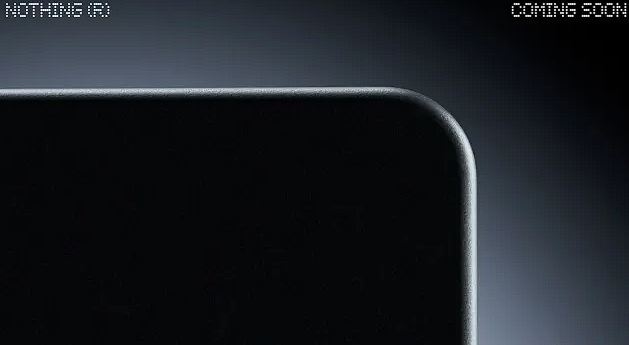
Details are limited, but Carl Pei has shared a few important clues.
The upcoming product will:
- Be Nothing’s first AI-native product.
- Begin shipping in December 2026.
- Have no new screen.
- Be designed as a physical productivity tool rather than another smartphone app.
Pei has also suggested that the product is connected to a problem he calls the AI context gap.
Think about a useful idea that comes up during a meeting, a conversation over coffee, or an ordinary moment in your day. You might want to save it, but reaching for your phone and typing everything out can interrupt the moment.
And if you don’t record it, the information may simply disappear.
Pei believes AI could become significantly more useful if it had access to more of the context surrounding our everyday lives.
This has led to speculation that Nothing could be working on an AI-powered recorder, note-taking device, or another kind of screenless productivity gadget. However, the company has not confirmed its exact functionality.
Why Nothing is looking beyond smartphones
Nothing built its identity around smartphones with distinctive transparent designs, unusual lighting, and a minimalist software experience.
But the company appears interested in a much bigger opportunity.
AI is changing how people interact with technology. Instead of opening an app, typing a prompt, and waiting for an answer, future devices could understand what users need through more natural interactions.
That could mean voice commands, environmental awareness, contextual assistance, or tools that capture information without requiring constant attention.
For Nothing, this is an opportunity to compete in a new category instead of fighting established smartphone companies only on specifications and pricing.
The AI hardware race is getting crowded
Nothing isn’t the only company exploring devices designed specifically for artificial intelligence.
<bold>Humane AI Pin</bold> attempted to create a screenless AI assistant that users could wear. However, the product struggled to find a sustainable market, and Humane eventually shut down its consumer AI Pin services in 2025.
<bold>Friend</bold> is taking a different approach with an AI companion pendant designed around everyday interactions.
<bold>Meta</bold> is bringing AI closer to users through its smart glasses, combining cameras, microphones, speakers, and an AI assistant.
Meanwhile, OpenAI is also exploring dedicated hardware with former Apple design chief Jony Ive.
The competition is becoming clear: technology companies want AI to move beyond smartphones and become part of everyday physical experiences.
But building a device people actually want to use is much harder than demonstrating an impressive AI feature.
Can Nothing avoid the mistakes of earlier AI gadgets?
This is perhaps the biggest question surrounding the launch.
The Humane AI Pin showed that a product can generate enormous excitement but still struggle with practical usefulness, performance, and pricing.
Consumers don’t necessarily want another gadget to charge, carry, configure, and maintain.
For an AI device to succeed, it needs to solve a problem that existing smartphones and applications cannot solve conveniently.
Nothing will also have to address privacy. A device that captures conversations or listens to its surroundings raises important questions about consent, data storage, and how personal information is handled.
Its success will depend on more than attractive industrial design.
The next big AI product may not look like a smartphone
For years, the biggest technology companies have competed to build better screens, faster processors, and more capable applications.
AI could change that equation.
The next generation of consumer technology may focus less on opening applications and more on giving people intelligent tools that understand their needs and help them get things done.
Nothing’s upcoming product is an interesting experiment in that direction. But until the company reveals its features, pricing, and real-world capabilities, it is too early to call it the next big thing.
The real challenge isn’t putting AI inside another device. It’s creating a device that makes people wonder how they managed without it.