
Nvidia’s biggest competitive advantage has always been its technology. But investors are now confronting another question: how much of the company’s value depends on Jensen Huang himself?
The controversy surrounding Nvidia CEO Jensen Huang is creating fresh uncertainty for investors. What began as reports about his personal relationships has developed into a wider discussion involving corporate governance, US national security, China’s AI ambitions and Nvidia’s future leadership.
And the stock market is reacting.
According to Reuters, Nvidia lost more than $427 billion in market value over two trading sessions as the controversy intensified alongside broader concerns about AI spending and semiconductor demand.
The bigger question is whether this is a temporary confidence shock or the beginning of a more serious challenge for Nvidia.
Why Nvidia stock is under pressure
Three developments are worrying investors.
1. Uncertainty over Jensen Huang’s leadership
Huang co-founded Nvidia and has led the company for more than three decades. Reports that the board was preparing to discuss his future created uncertainty about who would lead the company if he left.
Investors are concerned because Nvidia’s strategy, customer relationships and AI vision are closely associated with Huang.
2. Wall Street is becoming more cautious
Investment firm Baird downgraded Nvidia from Buy to Neutral, citing uncertainty around Huang’s future, potential government action and the investigation.
Morgan Stanley also removed Nvidia from its Top Pick list, according to Reuters.
These moves do not mean Wall Street has abandoned Nvidia. Reuters reported that 59 of 64 brokerages still rated the stock Buy or Strong Buy. But they show that some analysts are reassessing the risks.
3. China and US export restrictions
The controversy has intensified scrutiny of Nvidia’s relationships with customers connected to China.
The US already restricts exports of certain advanced AI chips to China. If political pressure leads to tighter restrictions, Nvidia could face additional challenges in accessing the Chinese market.
The allegations involving a suspected intelligence operation remain under investigation. Nvidia’s board has said it has no reason to believe company secrets or national security information were compromised.
Why Business Insider says China could benefit
Business Insider’s analysis raises an interesting possibility: if Nvidia faces greater restrictions on China-related business or a leadership crisis, Chinese semiconductor companies could gain an opportunity to strengthen their position.
China has been working to reduce its dependence on American semiconductor technology.
Companies such as Huawei and Cambricon are developing domestic AI processors, while Chinese policymakers are encouraging local technology companies to build alternatives to Nvidia.
If access to Nvidia chips becomes more restricted, Chinese companies could receive additional incentives to adopt domestic alternatives.
However, replacing Nvidia is not straightforward. Its GPU performance, CUDA software ecosystem and developer relationships remain significant competitive advantages.
There is another possible outcome: if Nvidia has fewer opportunities to sell into China, more computing capacity could remain available to US customers. That might benefit American cloud and AI companies, although it does not automatically translate into higher Nvidia revenue.
What happens to Nvidia stock next?
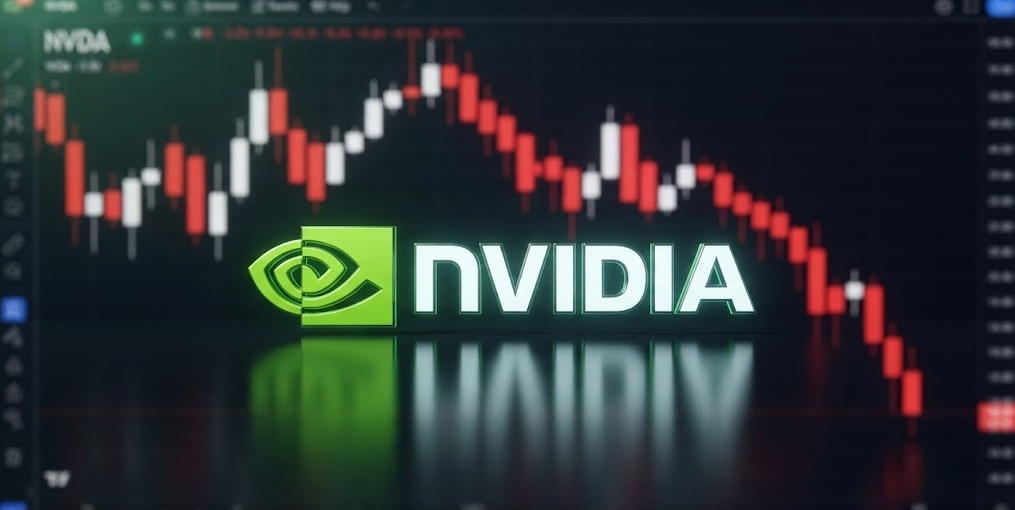
Three factors will matter most:
- The board investigation: Whether it finds evidence of compromised information or governance failures.
- Leadership continuity: Whether Huang remains CEO and whether Nvidia demonstrates a credible succession plan.
- AI chip demand: Whether spending by major cloud companies and AI developers continues to support Nvidia’s growth.
If the investigation concludes without material findings, investor attention could return to Nvidia’s financial performance.
If leadership uncertainty or regulatory action continues, the stock could remain volatile even if demand for AI chips stays strong.
Final verdict: Nvidia’s technology is strong, but investor confidence is being tested
Nvidia’s current situation is a reminder that even the most successful technology companies carry risks beyond their products and financial results.
Jensen Huang has been central to Nvidia’s rise, but that dependence also creates questions about succession and corporate governance.
China could benefit if export restrictions tighten or Nvidia loses access to important markets. Yet it still faces a substantial technological challenge in matching Nvidia’s hardware and software ecosystem.
For Nvidia investors, the next big question is no longer just how many AI chips the company can sell. It is whether the company can maintain confidence in its leadership while the global AI race continues.
This article is an editorial analysis, not investment advice. Allegations remain subject to investigation, and stock-market outcomes are uncertain.
Sources: CNBC, Business Insider, Reuters, November 2026.