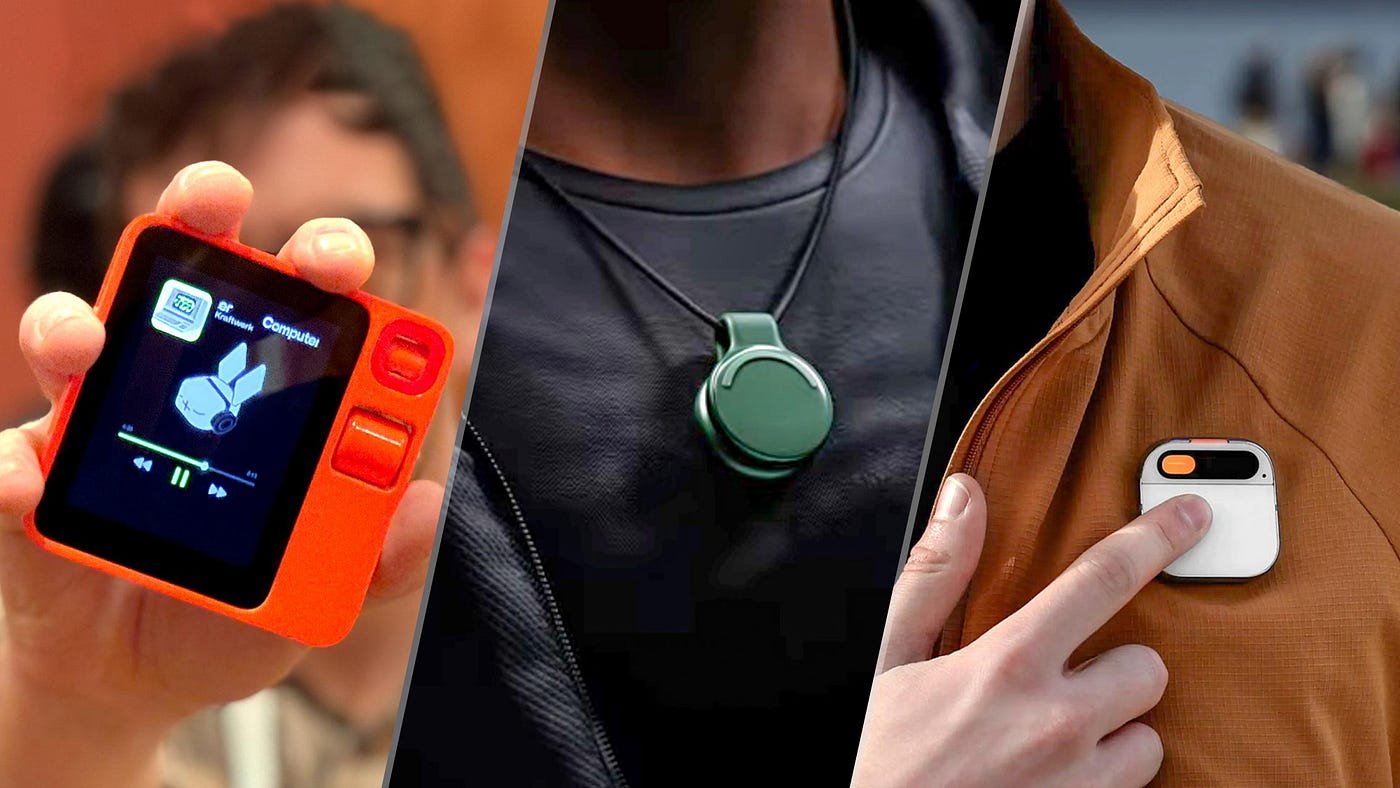
AI wearables are moving beyond smartwatches and fitness trackers. A new generation of gadgets can capture conversations, summarise meetings, remember everyday details and bring AI assistance closer to your daily life.
From tiny pendants that act like a second brain to experimental AI rings and pocket-sized assistants, companies are exploring a new question: what if you didn’t need to open an app every time you wanted help from AI?
Some of these devices are already available, while others are still emerging. Here are eight AI wearables and gadgets worth knowing about in 2026, along with what makes each one interesting.
1. Bee Frontier: An AI Assistant You Can Wear

The Bee Frontier is designed to capture conversations and turn them into summaries, useful takeaways and reminders. You can wear it on your wrist or clip it to your clothing. Priced at $74.99 in the US, it offers a relatively affordable way to experiment with an AI assistant that helps you remember what happened throughout the day. Its companion app can organise conversations and surface relevant tasks.
Why it matters: Instead of manually writing down every commitment, users can rely on AI to help organise conversations and follow-ups.
Official product page: Bee Frontier
2. Bee Eclipse: AI That Attaches to Your Phone

The Bee Eclipse takes a different approach. Instead of wearing a pendant or bracelet, this credit-card-sized device attaches magnetically to a compatible phone. It is designed to capture both sides of phone calls when recording is activated, then use AI to create summaries, insights and action items. Its announced US price is $99.99.
Why it matters: It brings AI note-taking closer to a device people already carry everywhere, without requiring another wearable around the neck or wrist.
Official product page: Bee Eclipse
3. Plaud NotePin: A Tiny AI Note-Taker

The Plaud NotePin is built for people who spend a lot of time in meetings, interviews, lectures or client conversations.
It can be worn as a pin, clipped to clothing or attached to a wristband. Its companion software transcribes conversations and converts them into structured summaries, with support for more than 100 languages. The device includes 300 minutes of AI transcription per month on its free Starter plan.
Why it matters: Students, journalists and professionals can focus on a discussion instead of constantly taking notes, then review the important points later.
Official product page: Plaud NotePin
4. Omi: A Wearable Second Brain
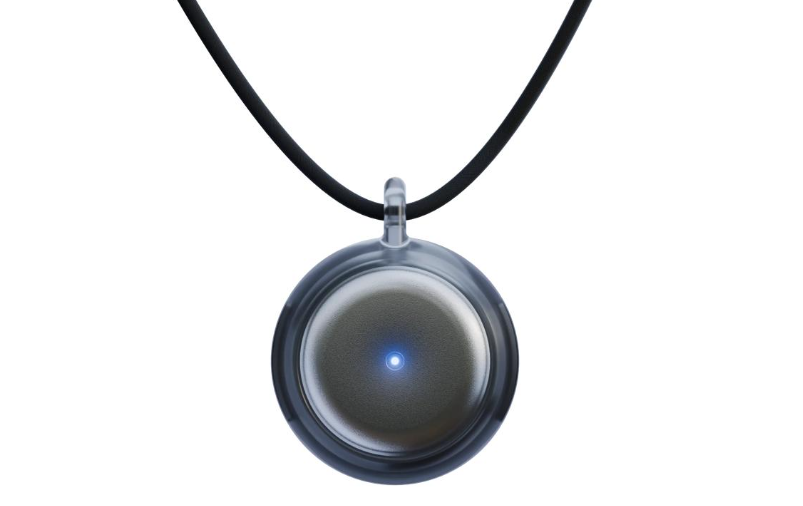
The Omi is designed to remember conversations and turn them into searchable notes, summaries, tasks and reminders. The pendant works with a companion app, and its maker offers an open-source ecosystem for developers interested in building new AI experiences. Its official website lists a $129 price for one version, while another product listing advertises a lower-priced model, so buyers should check the exact product and current pricing.
Why it matters: Omi points towards a future where AI can remember context from everyday interactions and help users retrieve details when they need them.
Official website: Omi
5. Nirva: An AI Pendant Focused on Personal Growth

Unlike gadgets primarily focused on meeting notes, Nirva is designed to help users reflect on their daily experiences. The pendant can be worn as a necklace or bracelet. Its AI features are intended to identify patterns in speech and communication, helping users explore their habits, emotions and personal reflections.
Nirva has announced a $249 price, with orders expected to open in November 2026 and early shipments targeted for the end of the year.
Why it matters: Nirva explores a different role for personal AI: not just helping people get more work done, but helping them reflect on how they live and communicate. These insights should be treated as AI-generated interpretations rather than definitive psychological assessments.
Official website: Nirva
6. Rabbit R1: A Pocket-Sized AI Gadget

The Rabbit R1 is a small orange handheld device with a touchscreen and rotating camera. It was designed to help users interact with digital services through a dedicated AI interface, rather than relying entirely on conventional smartphone apps. Its software has continued to evolve since its initial launch, including features for creating custom tools.
Why it matters: The R1 is an example of companies testing whether AI deserves its own hardware instead of remaining a feature inside an existing phone. Its longer-term appeal depends on how reliably it performs real tasks and whether it offers enough value to justify carrying another device.
Official website: Rabbit
7. Sandbar Stream: An AI Ring for Capturing Ideas

The Sandbar Stream takes the wearable concept in a different direction: a ring designed to help users capture thoughts and interact with an AI assistant. Its announced design uses a touch-sensitive surface to activate its microphone when needed, allowing users to record voice notes and manage certain media functions.
The Stream has been announced as an upcoming product, with a stated launch price of $299. Its availability and final specifications should be checked before purchase.
Why it matters: Rings are discreet and easy to carry. If this category becomes practical, users could capture ideas without reaching for a phone or wearing a larger pendant.
8. Meta Muse Charm: A New Kind of AI Companion

Meta has also been exploring a pocket-sized AI wearable called the Muse Charm.
The concept centres on a small device that can be carried or attached to a keychain, with a miniature display for an animated AI character. Voice interaction is expected to be part of the experience, although the device’s final features and availability remain subject to change.
Why it matters: It shows that AI hardware isn’t limited to productivity. Some companies are exploring more expressive, personality-driven assistants designed for everyday interaction.
What Do These AI Gadgets Tell Us About the Future?
The devices above fall into three broad categories:
- Productivity tools: Gadgets such as Bee and Plaud focus on remembering conversations, creating summaries and managing follow-ups.
- Personal assistants: Devices such as Omi aim to provide persistent context and make AI easier to access throughout the day.
- Companions and personal-growth tools: Products such as Nirva and the proposed Muse Charm explore more personal, reflective or conversational experiences.
However, there is one challenge that connects almost all of them: privacy.
A device that records conversations or captures personal context needs clear controls, transparent data practices and careful handling of information about other people. Before buying one, users should check when recording starts, whether there is a visible indicator, how audio is processed and how long transcripts are retained. The other big question is usefulness. A gadget can look futuristic, but it needs to solve a real problem consistently enough to justify its price, battery requirements and place in someone’s daily routine.
Final Thoughts
AI wearables are becoming a serious area of experimentation, with companies testing everything from conversation-recording pendants to rings and pocket-sized assistants.
The biggest opportunity may not be creating another gadget that can answer questions. It may be building devices that understand what people are doing, remember what matters and help at the right moment without demanding constant attention. Whether that future arrives through a ring, pendant, phone attachment or entirely new form factor remains to be seen.
Which AI gadget would you actually use: a wearable that remembers your conversations, a personal AI companion or a device that helps you capture ideas?
Follow Tepi AI for more updates on AI products, emerging technology and startups.
-Written by Shubham Modi