
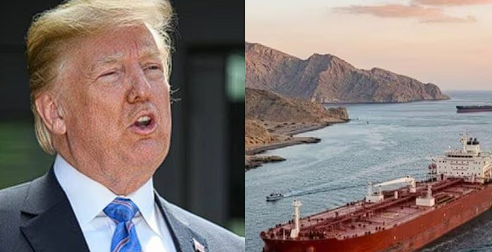
A multibillion-dollar maritime insurance initiative championed by the Trump administration to secure shipping through the Strait of Hormuz has failed to record a single policy issuance. Despite the establishment of a 40 billion dollar facility designed to mitigate risks for vessels navigating the world’s most critical oil chokepoint, the program has seen zero uptake, highlighting a significant disconnect between government-backed financial guarantees and the operational requirements of the shipping industry.
Operational Constraints and the Absence of Protection
The primary obstacle preventing the program’s adoption stems from its failure to provide the one utility shipping companies prioritize above financial compensation: physical security. While the facility was intended to act as a backstop against the volatile threat environment in the Middle East, industry players have signaled that insurance coverage remains secondary to the tangible protection provided by naval escorts. Without the provision of military vessel protection through the waterway, the scheme has struggled to incentivize commercial operators who remain wary of the escalating risks associated with potential seizures and maritime conflict.
Structural Hurdles in Maritime Risk Management
The lack of interest underscores the limitations of state-led intervention in private risk markets. Shipping operators and their existing commercial underwriters generally rely on well-established actuarial models to price premiums in high-risk zones. By attempting to insert a large-scale government program into a niche, highly technical sector without addressing the underlying tactical security issues, the initiative has failed to capture the attention of the primary global shipping conglomerates. Analysts note that for such a program to gain traction, it would require a more cohesive alignment between geopolitical maritime strategies and the specific risk-transfer needs of vessel owners.
Strategic Implications for Regional Energy Transit
The dormancy of this facility carries broader implications for energy security and market stability. As the Strait of Hormuz remains a central artery for global oil and liquefied natural gas shipments, any perception that state-sponsored safeguards are insufficient could embolden further volatility in insurance pricing. For investors tracking energy supply chains, the failure of this policy instrument serves as a case study in the difficulty of de-risking trade routes through financial mechanisms alone, particularly when regional geopolitical tensions remain high and naval presence is not explicitly integrated into the insurance framework.
For real-time alerts on similar business and market updates, subscribe to the Tepi AI newsletter. Full details and application links are available in our dashboard.