
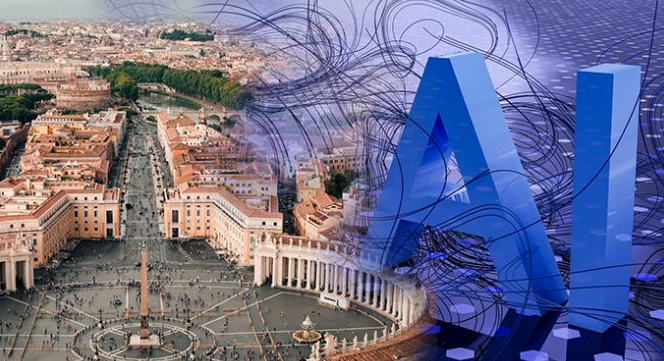
The Vatican has officially moved to deepen its institutional engagement with emerging technology, as Pope Francis has approved the establishment of an Interdicasterial Commission on Artificial Intelligence. The formal authorization, delivered through a rescript signed by Cardinal Michael Czerny, Prefect of the Dicastery for Promoting Integral Human Development, marks a structural shift in how the Holy See intends to monitor and evaluate the rapid advancement of machine intelligence. By formalizing this commission, the Vatican is positioning itself to address the socio-ethical implications of algorithmic decision-making, signaling that global governing bodies—including religious institutions—are increasingly viewing AI as a primary focal point for long-term policy development.
Institutionalizing Global AI Oversight
The creation of an interdicasterial body suggests a move toward a more integrated, cross-departmental approach to tech regulation. By consolidating efforts under a single commission, the Vatican aims to streamline its internal expertise and unify its stance on the rapid deployment of automated systems. This move reflects a broader trend among major global organizations to move beyond passive observation of AI trends, shifting instead toward an active role in shaping the ethical frameworks that govern autonomous technologies as they scale across sensitive sectors like labor, governance, and human rights.
Bridging Theology and Technological Ethics
While the commission is rooted in religious governance, its influence is expected to extend into the secular debate surrounding digital safety and human-centric design. The Dicastery for Promoting Integral Human Development has consistently emphasized the necessity of aligning technological progress with human well-being, an objective that now carries the weight of a dedicated internal commission. For developers and tech conglomerates currently navigating the complexities of AI governance, this development indicates that the conversation around “responsible AI” is becoming increasingly pluralistic, incorporating perspectives that prioritize ethical guardrails alongside commercial innovation.
For real-time alerts on similar AI and tech updates, subscribe to the Tepi AI newsletter. Full details and application links are available in our dashboard.