Leadership transitions are never easy, especially when the founder is deeply tied to the company’s identity. That’s why the latest announcement from Australian logistics software giant WiseTech Global has caught the attention of investors and the broader startup ecosystem.
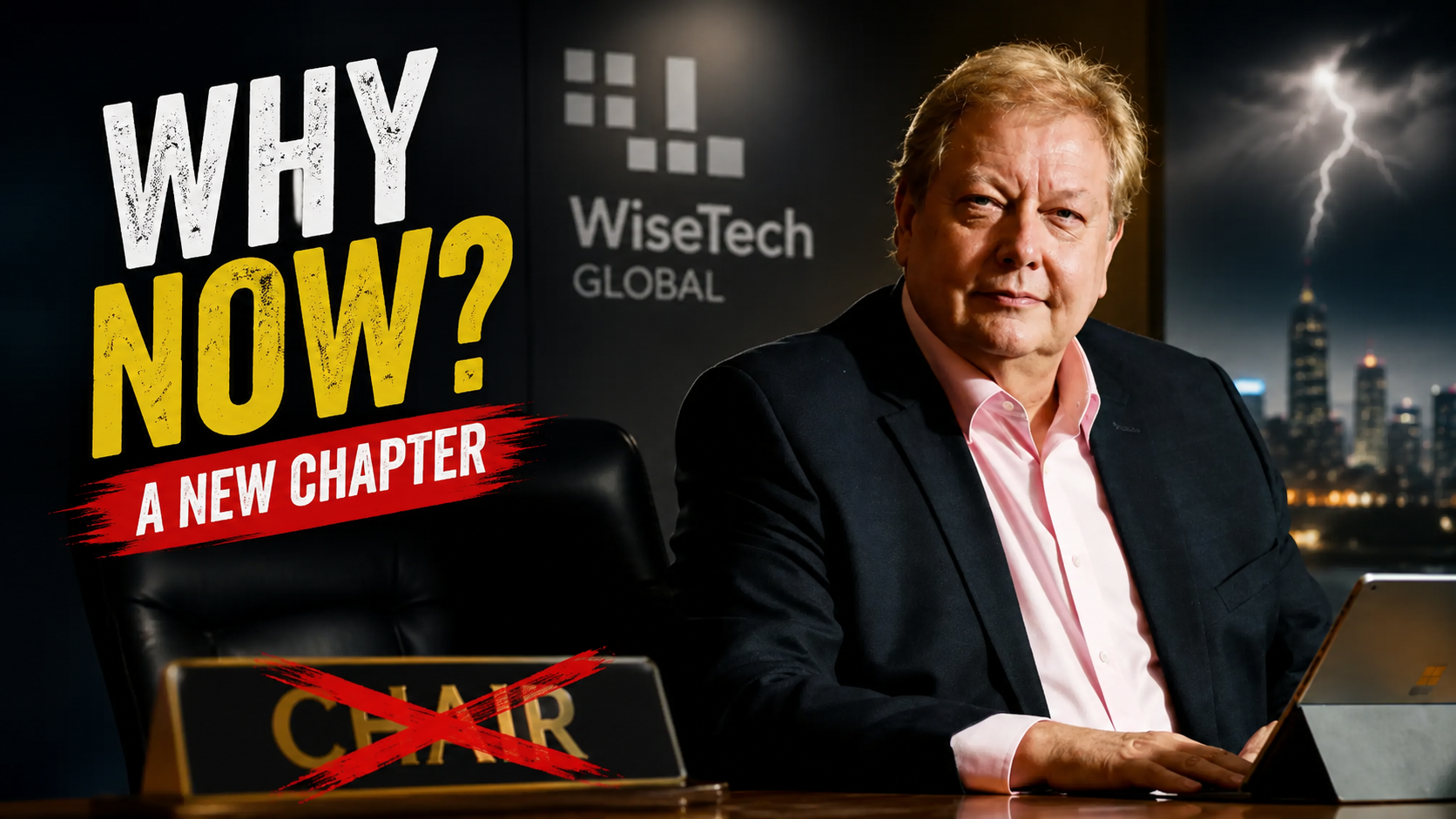
Richard White, the company’s founder, has officially stepped down as Chair of WiseTech Global. The decision follows months of governance concerns and increasing scrutiny from investors over the company’s leadership structure. While White is leaving the Chair position, he isn’t walking away from the business. He will continue serving as Executive Director and Chief Innovation Officer, remaining heavily involved in product development and long-term technology strategy. This is not a founder exit story. It’s a governance story.
For one of Australia’s most successful technology companies, the focus has shifted from innovation to leadership accountability and board independence.
Why Did Richard White Step Down?
The transition comes after an extended period of pressure surrounding WiseTech’s governance practices. Investors had increasingly questioned whether combining founder influence with board leadership provided enough independence for a company of WiseTech’s scale.
To address these concerns, the board announced that Richard White would step down as Chair while remaining involved in the company’s innovation efforts. At the same time, the company appointed independent director David Turner as the new Chair, separating executive leadership from board oversight.
WiseTech also confirmed that White has agreed to several governance commitments, including changes designed to strengthen board independence and improve investor confidence.
For shareholders, the move signals that WiseTech is taking governance concerns seriously rather than waiting for them to escalate further.
Why Investors Are Watching Closely
Founder-led companies often face a unique challenge as they grow.
In the early stages, founders usually make every major decision. That speed and control help companies innovate quickly. But once businesses reach billions in market value and thousands of employees, investors typically expect stronger governance, independent oversight, and clear accountability. WiseTech has grown into one of Australia’s largest technology companies, serving thousands of logistics businesses across the world. At this scale, leadership decisions are no longer viewed only through the lens of innovation. They are also evaluated based on transparency, succession planning, and corporate governance.
That explains why Richard White remaining inside the business while stepping away from the Chair role has been viewed as a balanced outcome by many market observers.
The company keeps its visionary founder focused on technology while giving investors greater confidence in board independence.
What Happens Next for WiseTech?
The leadership transition does not appear to change WiseTech’s long-term business strategy.
Richard White will continue leading innovation initiatives, product direction, and technology development. Meanwhile, the board will operate under independent leadership, a structure commonly seen across many global public technology companies. Investors will now be watching whether this new governance model improves market confidence while allowing WiseTech to maintain its strong pace of innovation.
The company has spent years building software that powers global supply chains, and demand for digital logistics solutions continues to grow. If execution remains strong, attention may quickly shift back to product growth rather than boardroom discussions.
Why This Matters Beyond One Company
WiseTech’s announcement reflects a broader trend across the global startup ecosystem.
As startups mature into publicly listed companies, founder roles often evolve. Many founders remain deeply involved in product vision and innovation while gradually handing governance responsibilities to independent boards.
Companies like Google, Microsoft, and Amazon have all experienced similar leadership transitions over the years, where founders stepped back from certain responsibilities while continuing to influence long-term strategy. For WiseTech, this is less about replacing its founder and more about adapting its leadership structure to match the expectations of a global public company.
Whether this strengthens investor confidence will become clearer over the coming months, but one thing is certain. Richard White may have stepped down as Chair, but he remains one of the driving forces behind WiseTech’s future.
Stay updated with startup leadership changes, funding news, AI breakthroughs, venture capital trends, and emerging opportunities from around the world.
Visit https://tepiai.com to stay ahead of the startup ecosystem.