Silicon Valley Isn’t the Only AI Powerhouse Anymore
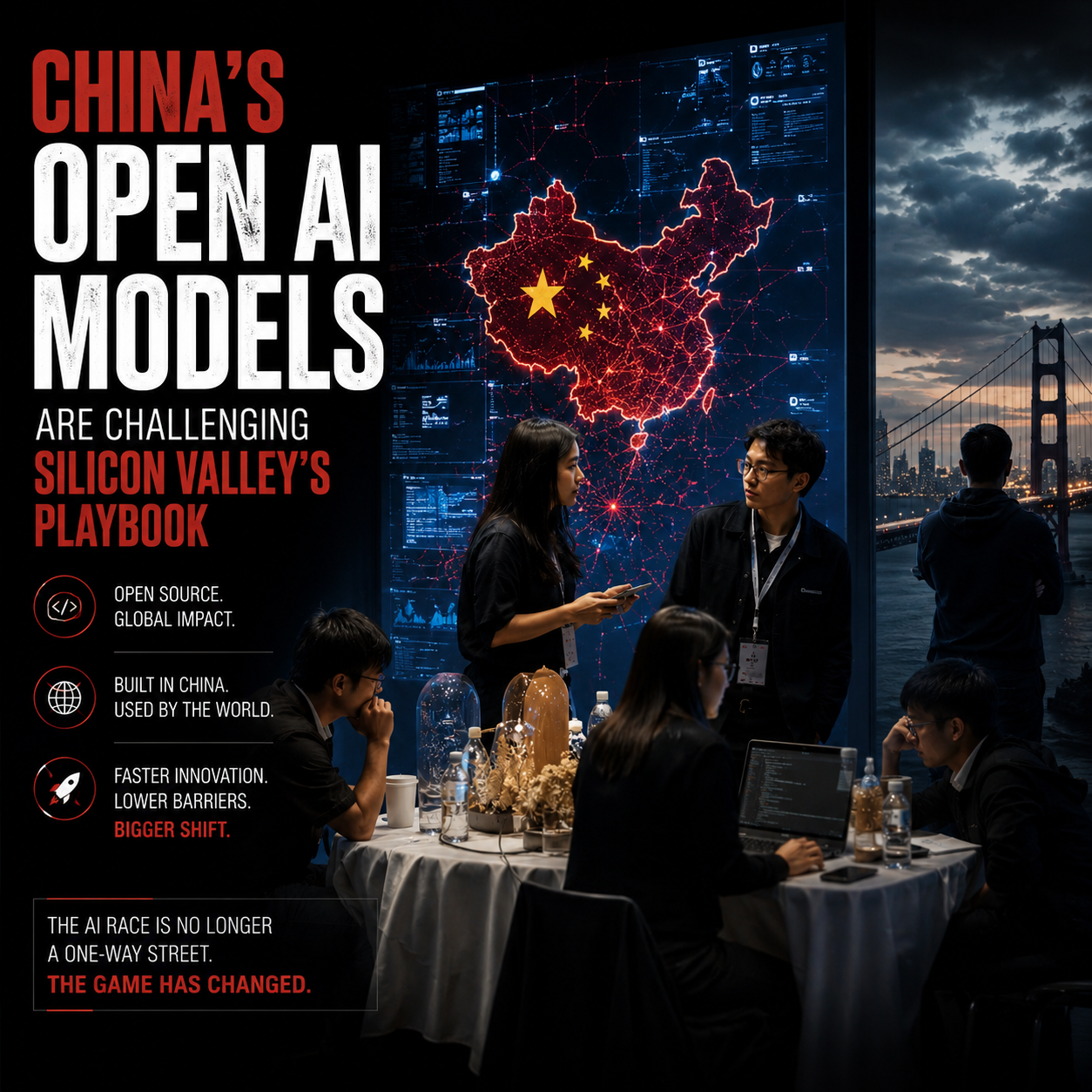
For years, founders believed the future of AI belonged to companies with the biggest budgets and the most powerful proprietary models. The formula seemed obvious—raise billions, train massive AI models, keep everything closed, and dominate the market. But that strategy is no longer the only path to success. China’s growing investment in open AI models is proving that accessibility, collaboration, and rapid adoption can be just as powerful. For startups, this isn’t just another AI story. It’s a sign that the startup ecosystem is entering a new phase where speed often beats scale.
Open AI Is Lowering the Cost of Building Startups
Building a foundation AI model can cost tens or even hundreds of millions of dollars, putting it far beyond the reach of most early-stage founders. Open AI models change that equation completely. Instead of spending years developing core AI technology, startups can build on existing models and focus on solving real customer problems. Imagine a healthcare startup creating an AI assistant for doctors. Rather than investing $50 million into AI research, the company can fine-tune an open model using medical data and launch in months instead of years. The advantage shifts from owning expensive infrastructure to delivering value faster than competitors.
Why Investors May Change Their Funding Priorities
This shift is also influencing how startup funding works. In the past, investors often preferred companies with proprietary technology because it created stronger competitive advantages. Today, many venture capital firms are looking for something different—founders who can launch quickly, gain users, and generate revenue without burning massive amounts of capital. Open AI makes this possible by reducing development costs and shortening product timelines. Instead of spending years building technology before entering the market, startups can validate ideas early and raise funding based on traction rather than promises.
China’s Strategy Could Benefit Founders Worldwide
The most interesting takeaway is that AI innovation is no longer concentrated in one region. Silicon Valley remains a global leader, but China’s open AI approach is creating opportunities for founders everywhere. We’ve seen this before with Android. Because it was open, thousands of smartphone companies around the world were able to innovate on top of it. AI could follow a similar path. Founders in India, Singapore, Australia, the UK, and other emerging startup ecosystems can now build globally competitive AI products without owning billion-dollar research labs. That creates opportunities that didn’t exist just a few years ago.
Open Models Don’t Guarantee Success
Of course, access to the same AI models means competition becomes even tougher. If everyone has similar technology, the real competitive advantage comes from execution. Founders need unique datasets, better customer experiences, industry expertise, and workflows that solve real problems. Companies like Canva and Shopify didn’t become successful because they invented every piece of technology themselves. They succeeded because they combined existing technologies into products that customers genuinely loved. AI startups will increasingly win the same way.
What Founders Should Do Right Now
Instead of waiting for the “perfect” AI model, founders should start building with the tools already available. Experiment with open AI models to reduce development costs and launch faster. Invest in proprietary data, customer relationships, and deep industry knowledge because those are much harder for competitors to copy. Keep an eye on global AI developments rather than focusing only on Silicon Valley. Some of tomorrow’s biggest startup opportunities may emerge from markets that many founders are still overlooking.
The Next AI Winners Will Build Faster, Not Bigger
The AI race is no longer about who builds the largest model—it’s about who creates the most value with the technology that’s already available. That’s great news for startups because it lowers barriers to entry and rewards execution over scale. As AI, startup funding, grants, accelerators, and the global startup ecosystem continue to evolve, founders who stay informed will consistently spot opportunities before everyone else. If you want practical insights that help you build smarter and faster, explore the latest startup, AI, funding, and founder resources at https://tepiai.com.