Key Takeaways
- Unwinding a $2 Billion Deal: Autonomous AI agent startup Manus is returning to independent operations after Chinese regulators blocked Meta’s $2 billion acquisition on national security and technology export grounds.
- Urgent User Data Deletion: Data generated by certain users on or after December 29, 2025, will be permanently deleted between August 23 and August 24, 2026. Users must complete backups before August 23 at 7:59 a.m. SGT.
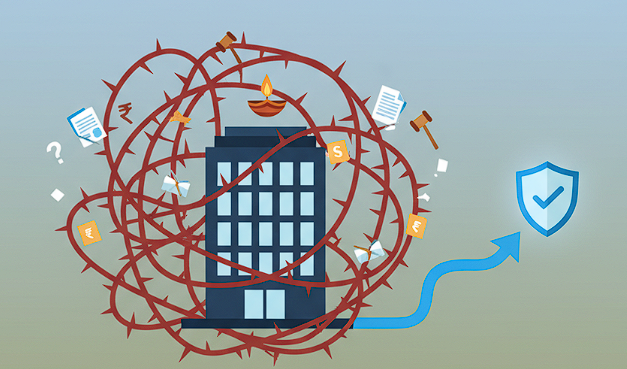
- Geopolitical M&A Risks: The forced reversal proves that dual-jurisdiction entity structures face severe cross-border regulatory risks when selling AI technology to major U.S. tech conglomerates.
Executive Overview
What happens when a $2 billion acquisition by Meta gets completely blocked and reversed by foreign government regulators?
Eight months after Meta Platforms acquired AI agent developer Manus in December 2025, the high-profile transaction has officially collapsed. On August 11, 2026, Manus announced that it is resuming independent operations following a direct order from China’s National Development and Reform Commission (NDRC) to unwind the deal.
While independent operations give Manus full control over its product roadmap again, the operational separation has created an immediate emergency for users. Here is what caused the geopolitical breakup, how affected users can save their data before the August 23 deadline, and what founders can learn about cross-border M&A.

1. Why Chinese Regulators Blocked Meta’s $2 Billion Manus AI Acquisition
Technology Export Controls and National Security
In December 2025, Meta announced its planned acquisition of Manus for approximately $2 billion to strengthen its consumer and enterprise AI agent capabilities. Founded in China in 2022 by Xiao Hong under parent company Butterfly Effect, Manus moved its headquarters to Singapore in June 2025 to target global buyers.
However, Chinese regulators launched an immediate security investigation following the acquisition announcement. In April 2026, China’s NDRC formally prohibited the transaction under national security and technology export laws, ruling that the sale attempted to hollow out the nation’s core AI talent base.
Regulators asserted that because Manus’s general-purpose agentic AI architecture was originally developed using domestic digital infrastructure, transferring ownership to a U.S. technology giant violated national policy.
The Operational Firewall and Data Separation
Following the regulatory order in April, Meta began the difficult process of separating Manus from its internal corporate networks. By June 2026, Meta had established a strict operational firewall, barring Manus staff from internal data systems and ordering Meta teams to stop using Manus tools.
Because Meta had already started integrating Manus engineers and technologies into its internal product divisions, disentangling the two companies proved technically complex.
This operational separation set the stage for Manus’s August 11, 2026 announcement that it would fully resume independent business operations while deleting shared systems.
2. What User Data Is Getting Deleted and Why?
The December 29, 2025 Acquisition Boundary
As part of its complete legal and technical split from Meta, Manus must remove all user data created while it operated under Meta’s corporate structure. This data deletion requirement applies directly to compliance mandates in specific international jurisdictions.
Specifically, data generated or updated by certain affected accounts on or after December 29, 2025—the exact date Meta completed the acquisition—will be deleted.
Because the deletion boundary matches the acquisition date, everything created while Manus functioned as a Meta subsidiary must be wiped from independent servers.
Timeline and Step-by-Step Data Backup Instructions
Manus established a strict schedule for affected accounts to back up and restore their agent workflows, research files, and automation logs. Users have until August 23, 2026, at 7:59 a.m. Singapore Time (SGT) to download their data free of charge.
The system will delete the target data between August 23 at 8:00 a.m. SGT and August 24, 2026. During this 48-hour deletion window, affected accounts will temporarily lose access to the Manus platform.
On August 25, 2026, at 8:00 a.m. SGT, Manus will open an official data restoration portal, allowing users to re-upload their backed-up files and resume normal operations.
3. Who Owns Manus AI Now? The Post-Meta Financing Structure
The Tencent-Led Buyback Consortium
Undoing a $2 billion acquisition requires substantial capital to buy back equity stakes from Meta and settle original investor payouts. Reports indicate that Chinese technology giant Tencent is leading a buyer consortium to repurchase Meta’s stake at the original $2 billion transaction value.
Early venture backers HSG (formerly Sequoia China) and ZhenFund are reportedly participating in the buyback group to finance Manus’s independent return.
However, U.S. venture firm Benchmark, which was paid out when Meta initially acquired the company, is reportedly not participating in the new Chinese-led financing consortium.
Returning to Independent Product Iteration
Despite the complex corporate restructuring, Manus management confirmed that the company will continue developing autonomous AI agents for its global user base.
Before the acquisition, Manus gained widespread attention by building general-purpose AI agents capable of executing complex, multi-step tasks like coding, market research, and data analysis.
With its independent status restored, the Singapore-headquartered startup plans to release new personal agent features across popular messaging platforms like Telegram, Discord, and Slack.
If you want to see how fast independent engineering teams can prototype and launch AI products without corporate overhead, check out our guide on AI-driven software prototyping.
4. What Cross-Border AI Startups Can Learn from the Manus Unwind
Navigating Dual-Jurisdiction Corporate Structure Risks
The forced reversal of Meta’s Manus acquisition offers a critical case study for founders building AI companies with international roots. Many tech startups establish headquarters in neutral hubs like Singapore while maintaining engineering teams or legacy entities in China or the U.S.
While shifting corporate headquarters can simplify international sales, global regulators look past holding companies to examine where core technology was originally created.
If your core AI architecture was developed in a jurisdiction with strict technology export controls, selling the company to a foreign buyer carries high regulatory risk.
Building Data Portability into Agentic AI Workflows
The sudden deletion of user data highlights the importance of data portability in B2B software applications. When software companies undergo unexpected corporate splits, customers who rely on cloud-hosted agents risk losing vital operational data.
SaaS developers should design their platforms to support automated, local data backups and easy export formats like JSON or CSV. Allowing users to back up their custom workflows prevents platform lock-in and protects customer trust during operational transitions.
For additional founder guides, legal templates, and fundraising playbooks for early-stage teams, check out our collection of Tepi AI founder resources.
The Long-Term Market Impact
The unwinding of Meta’s purchase of Manus marks a permanent shift in how regulators approach cross-border AI M&A. Government scrutiny over artificial intelligence technology, talent, and data sovereignty will only increase in the coming years.
For founders, success requires building resilient software architecture, maintaining strict regulatory compliance, and protecting user data portability from day one.
To stay informed on international technology news, startup strategy, and artificial intelligence trends, visit the Tepi AI platform.
Summary Checklist for Developers and Founders
- [ ] Action Required for Manus Users: Complete all data backups before August 23, 2026, at 7:59 a.m. SGT to avoid permanent data loss.
- [ ] Restore Workflows: Access the official Manus restoration portal starting August 25 at 8:00 a.m. SGT to re-upload your backed-up files.
- [ ] Assess Cross-Border M&A Risks: Evaluate national technology export controls if your AI startup operates across multiple international jurisdictions.
- [ ] Build Data Portability: Ensure your B2B SaaS platform allows users to export and back up their data easily in standardized formats.
- [ ] Protect Core IP Assets: Maintain clear documentation showing where core software code was authored to streamline future regulatory reviews.
Written by Arnav Bhardwaj