
Funding Isn’t Just About Money
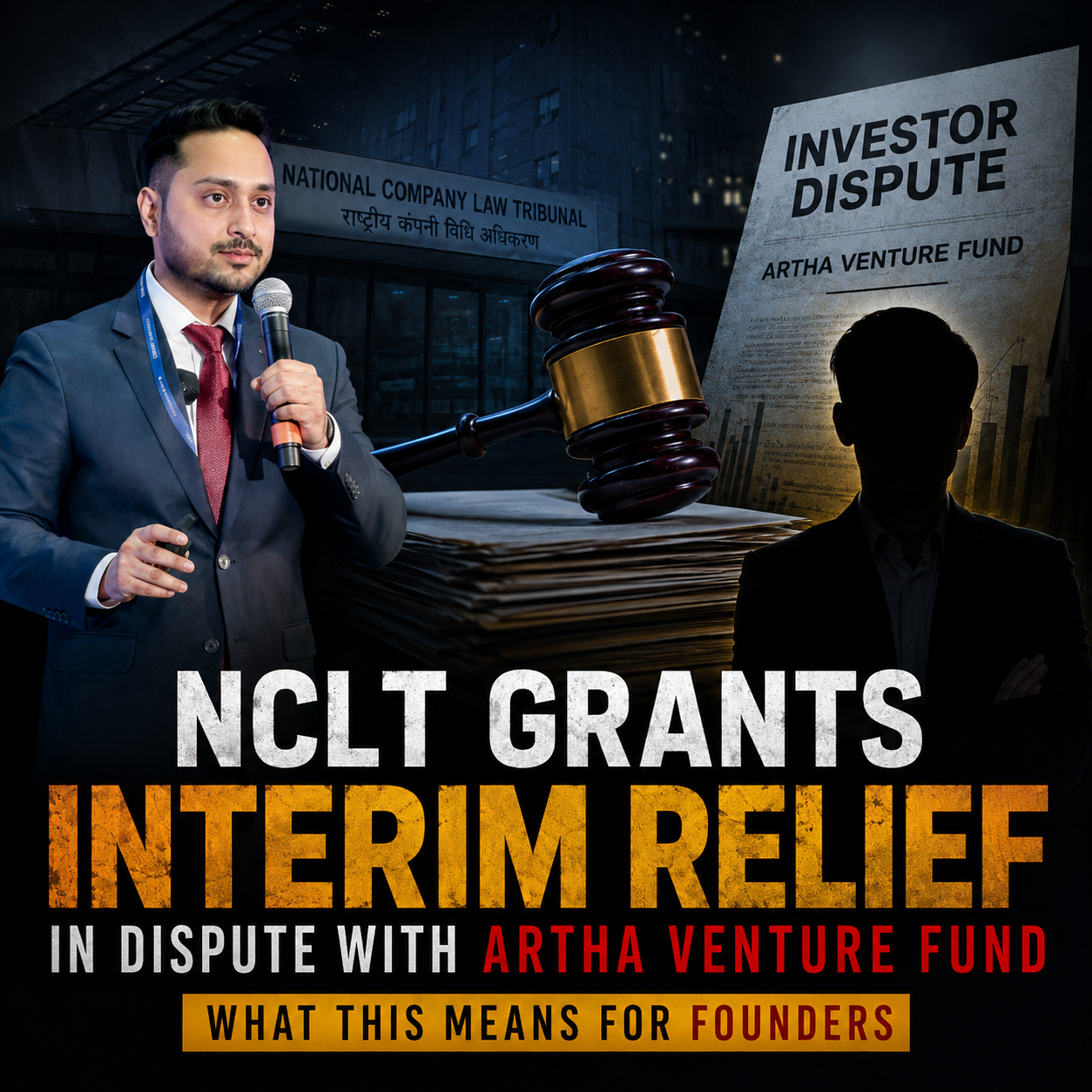
Every founder celebrates closing a funding round. It validates months of hard work and unlocks new opportunities to grow. But fundraising isn’t only about capital—it also changes who has influence over your company’s future. The recent interim relief granted by the National Company Law Tribunal (NCLT) to the founder of Hornet in a dispute with Artha Venture Fund is a reminder that governance can become just as important as growth. While the case is still ongoing, it highlights why founders must pay close attention to the legal side of building a startup.
Why Every Founder Should Care
Many entrepreneurs follow startup funding news but ignore legal disputes. That’s a missed opportunity. Cases like this reveal what happens when founders and investors disagree over control, governance, or shareholder rights. As India’s startup ecosystem matures, these issues are becoming more common. The biggest lesson isn’t about who wins the case—it’s about understanding that every investment comes with responsibilities, expectations, and long-term commitments beyond the funding itself.
The Hidden Cost of a Term Sheet
Most founders negotiate valuation aggressively but spend far less time understanding the clauses that follow. Board seats, voting rights, reserved matters, liquidation preferences, founder vesting, and investor protections can significantly influence how a company operates in the future. These terms may seem routine during fundraising, but they can shape major business decisions years later. Raising funding should always be viewed as the beginning of a partnership, not the end of negotiations.
Strong Governance Is Becoming a Competitive Advantage
Investors today don’t just evaluate products and revenue—they also look at governance and compliance. Startups with clear documentation, transparent decision-making, and well-defined founder-investor relationships often find it easier to raise future funding and attract institutional investors. Good governance isn’t bureaucracy; it’s a foundation that builds trust, reduces conflict, and strengthens a company’s ability to scale sustainably.
What Founders Should Do Before Raising Funding
Before signing any investment agreement, founders should carefully review every legal clause with experienced startup lawyers, understand how the cap table and shareholder agreements affect control, document important board decisions, and maintain transparent communication with investors. Spending time on these fundamentals can prevent costly disputes later and create healthier long-term partnerships with investors.
The Bigger Lesson for the Startup Ecosystem
The Hornet dispute is a timely reminder that building a successful startup requires more than innovation and execution. Founders must also understand governance, legal frameworks, and investor relationships. As the startup ecosystem continues to evolve, those who combine ambitious growth with strong legal and operational foundations will be in the best position to build lasting companies. For more founder-first insights on startup funding, AI, grants, accelerators, venture capital, and emerging opportunities, visit https://tepiai.com.