Companies operating in India are bracing for a period of regulatory friction as the implementation of the new Labour Codes threatens to clash with existing state-level Shops and Establishments Acts. Legal and industry experts are signaling that the lack of harmonization between central mandates and state-specific labor regulations will likely trigger significant compliance uncertainty, particularly regarding the management of working hours, overtime protocols, and leave policies.
Navigating the Regulatory Overlap
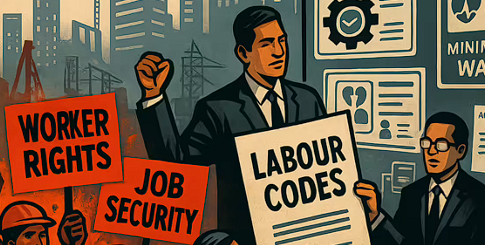
The primary challenge lies in the dual-layered governance of labor laws. While the central Labour Codes were designed to streamline fragmented regulations into a cohesive framework, the persistence of state-specific Shops and Establishments Acts introduces a contradictory layer of compliance. For corporations with multi-state operations, this creates an administrative bottleneck, as they must reconcile centralized corporate policies with disparate state requirements that govern daily operations, opening hours, and employee entitlements.
Operational Risks in HR Strategy
For human resources departments, the ambiguity is already complicating the standardization of employment contracts. Discrepancies in how state laws define working hours compared to the new central codes could expose companies to litigation or administrative penalties during audits. Legal practitioners suggest that until the state governments fully align their local acts with the central codes or issue specific clarifications, firms are forced to adopt a cautious, localized compliance strategy rather than a unified national policy.
The Burden of Multi-State Compliance
The prospect of navigating these overlapping jurisdictions is shifting the administrative burden on companies, especially those scaling rapidly across different regions. Large-scale enterprises and professional services firms are now tasked with auditing their current workflows against two competing sets of rules. This regulatory friction risks increasing the cost of doing business, as companies may need to invest in legal counsel or specialized compliance software to manage the nuanced differences that state-level variations continue to impose on daily human capital management.
For real-time alerts on similar business and market updates, subscribe to the Tepi AI newsletter. Full details and application links are available in our dashboard.