

Key Takeaways
- The Consumer Capital Surge: Institutional venture capital is returning to direct-to-consumer (D2C) brands as sector-focused funds and private equity firms accelerate investment pace across early and growth stages.
- Profitability Unlocks Pre-IPOs: Brands demonstrating strong cash flow—such as The Souled Store reaching Rs 180 crore in EBITDA—are securing pre-IPO and secondary rounds with 12-to-18-month public listing timelines.
- A $60 Billion Market Opportunity: According to McKinsey, D2C channel adoption is expanding nearly 3x faster than traditional e-commerce marketplaces, on track to reach $60 billion by 2030.
Executive Overview
For the past several years, venture capital headlines were dominated almost entirely by enterprise SaaS and foundational artificial intelligence. Meanwhile, direct-to-consumer brands navigated rising customer acquisition costs, tighter consumer spending, and strict demands for profitability.
That fundraising winter is officially over. Across the consumer startup landscape, a massive capital rebound is underway as category-defining brands like The Souled Store, Haus & Kinder, and Nat Habit explore growth rounds and pre-IPO financings to fuel rapid expansion.
With strong unit economics, proven customer retention, and viable paths to public listings, consumer startups are regaining the venture spotlight. Here is what is driving the consumer funding resurgence, what top investors look for, and how founders can capitalize on this market momentum.
1. Why Investors Are Returning to D2C Consumer Startups
The Rebound in Consumer Venture Capital
Direct-to-consumer businesses have spent the last three years refining their unit economics and eliminating wasteful ad spending. Rather than chasing growth-at-all-costs, modern consumer startups have built lean, cash-flow-positive business models that can scale sustainably.
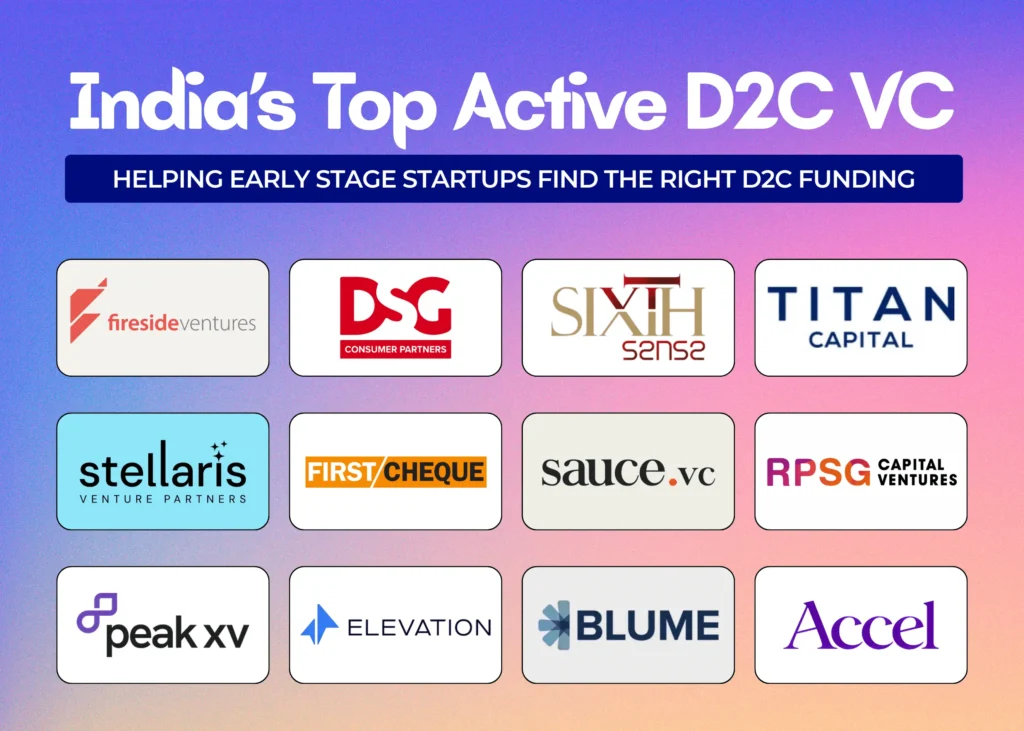
Because of this financial discipline, venture capital firms and family offices are actively deploying capital into the sector again. Early-stage consumer funds like Fireside Ventures have ramped up their deal velocity to 12 to 13 deals per year, up from 7 to 8 deals previously.
This sustained momentum is attracting both dedicated consumer funds and sector-agnostic venture investors who see strong multi-year compounding potential in physical products.
Clear Exit Routes: IPOs and Strategic M&As
The primary catalyst behind growing investor confidence is the emergence of clear, profitable exit pathways. In previous venture cycles, early-stage investors struggled to find liquid exit routes for consumer brand investments.
Today, public domestic stock markets have developed a strong appetite for profitable consumer brands, creating a reliable path to initial public offerings (IPOs). In parallel, large FMCG conglomerates are actively acquiring fast-growing digital brands to modernize their product portfolios.
These proven exit options give institutional funds greater confidence to write larger checks, knowing that public listings and corporate acquisitions provide reliable liquidity.
2. Inside the Deals: Pre-IPO Rounds and Growth Financings
The Souled Store: Targeting an IPO with Rs 180 Crore EBITDA
Pop-culture apparel brand The Souled Store (TSS) exemplifies the shift toward high-margin, cash-generative consumer businesses. The company is actively preparing for an initial public offering within the next 12 to 18 months.
According to co-founder Vedang Patel, the company is extremely cash flow positive and on track to deliver Rs 180 crore in EBITDA this fiscal year. The company is in discussions with institutional investors, including WhiteOak Capital and Abakkus, regarding a Rs 300 to 400 crore pre-IPO transaction to provide exits for early angel backers.
By building strong customer loyalty around licensed entertainment merchandise, The Souled Store has proven that apparel brands can achieve massive profitability before going public.
Haus & Kinder and Nat Habit: Scaling Home and Wellness
Home and baby essentials brand Haus & Kinder is currently in the process of closing a Rs 150 crore funding round. Early-stage venture capital firm Sauce.vc is doubling down on its investment following the brand’s impressive 100% year-over-year revenue growth.
Similarly, natural beauty and personal care brand Nat Habit is in advanced discussions to raise approximately Rs 150 crore in fresh capital. The round includes interest from Sunil Kant Munjal-led Hero Enterprise, alongside existing backers such as Bertelsmann, Mirabilis, and Sharrp Ventures.
Both companies are using their new capital reserves to expand manufacturing capacity, widen omnichannel distribution, and capture market share ahead of peak holiday retail seasons.
Early-Stage Momentum Across Niche Categories
Venture investment is not limited to pre-IPO growth rounds; early-stage consumer deals are accelerating across highly specialized sub-categories. Investors are targeting science-led brands, pet care, and modern home essentials that feature high barriers to entry.
For instance, home cleaning brand Scrubsy’s recently closed a Rs 27 crore round led by V3 Ventures. Meanwhile, export-focused pet care company Pawfect Foods raised Rs 30 crore from a European family office while exploring strategic acquisitions to expand international consumer access.
In the beauty tech space, science-driven skincare brand Be Clinical is securing between Rs 20 and 30 crore from Sauce.vc and V3 Ventures, showing strong investor demand for proprietary product formulations.
If you want to see how fast digital teams can launch and test new brand concepts using AI workflows, explore our guide on AI-driven software prototyping.
3. The New Playbook: Unit Economics Over Growth-at-All-Costs
The Shift to Sustainable Contribution Margins
In the previous consumer boom, startups relied on aggressive ad discounting to acquire one-time shoppers, resulting in negative contribution margins. Today, venture capitalists strictly evaluate Contribution Margin 2 (CM2), which accounts for direct marketing, shipping, and payment gateway fees.
Investors now require consumer brands to demonstrate positive unit economics from the very first transaction. Companies that cannot cover customer acquisition costs on initial orders struggle to secure institutional capital.
Founders who maintain strict inventory controls and healthy gross margins above 60% are finding it significantly easier to negotiate favorable valuation terms.
High Repeat Purchase Rates and Customer Retention
Modern consumer venture capital relies on customer lifetime value rather than top-line vanity metrics. Investors look for proof of strong product-market fit, measured by high 30-day and 90-day repeat purchase rates.
According to advisory firm Alvarez & Marsal, venture firms are doubling down on portfolio companies that show organic word-of-mouth growth, exceptional customer reviews, and high repeat order frequencies.
When a brand can reliably generate second and third purchases without additional marketing spend, its profitability scales exponentially as customer volume increases.
4. Why D2C Adoption Is Growing 3x Faster Than Online Marketplaces
Taking Back Brand Control and Pricing Power
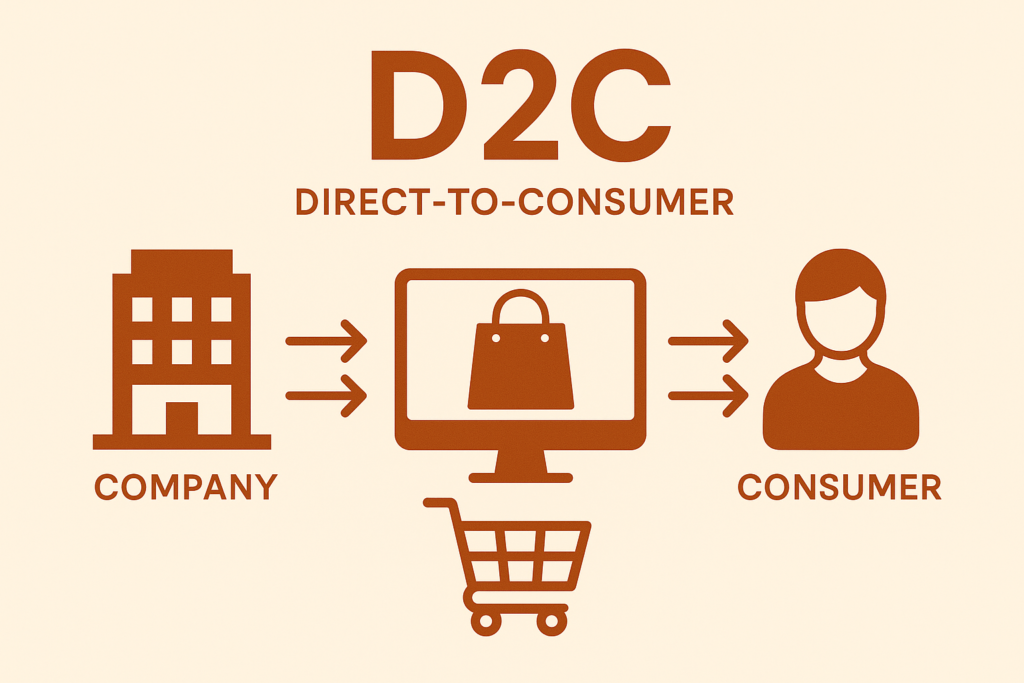
While large e-commerce marketplaces provide instant customer access, they restrict customer data, dictate pricing rules, and promote competing white-label products. Direct-to-consumer storefronts allow brands to establish direct relationships with their end users.
Operating a proprietary D2C channel gives founders complete control over brand storytelling, packaging design, and customer service workflows. It also provides first-party data that informs future product development.
According to management consultancy McKinsey, direct channel adoption is expanding nearly three times as fast as general marketplace growth, giving specialized brands an enormous strategic advantage.
The Rise of Gen Z and Digital Discovery
The rapid expansion of consumer startups is fueled by changing purchasing behaviors among younger, digitally native demographics. Gen Z and Gen Alpha consumers are significantly more willing to experiment with new digital challenger brands than older generations.
Younger shoppers actively discover products through social video platforms, creator collaborations, and niche community forums. They are willing to pay a premium for authentic brands that align with their personal values, clean ingredients, and unique design aesthetics.
This cultural shift is taking discretionary and premium consumption far beyond major metropolitan centers into rapidly growing tier-2 and tier-3 regional markets.
For startup founders building pitch materials, data rooms, and financial models for upcoming funding rounds, check out our collection of Tepi AI founder resources.
5. What Consumer Founders Must Prepare for Future Fundraises
Structuring Secondary Share Sales for Early Angels
As consumer companies mature toward pre-IPO milestones, managing cap table dynamics becomes essential. Early angel investors who provided seed capital five or six years ago often seek liquidity before the formal public listing.
Founders should structure growth rounds to include a balanced mix of primary growth capital and secondary share sales. This structure allows new institutional funds to acquire larger equity stakes without diluting the founding team excessively.
Cleaning up the cap table and consolidating ownership among institutional partners creates a stable foundation for a successful public market debut.
Preparing Investor Data Rooms for Growth Capital
Growth-stage consumer investors conduct rigorous operational due diligence before committing capital. Founders must maintain institutional-grade data rooms that track inventory turnover rates, supply chain contracts, and cohort retention charts.
Documenting clear regulatory compliance, trademark registrations, and exclusive vendor partnerships proves that your brand has built a defensible market position.
By demonstrating disciplined financial governance and steady quarter-over-quarter revenue growth, consumer founders can successfully attract growth capital in today’s competitive venture market.
To stay informed on venture capital trends, direct-to-consumer business strategy, and emerging startup playbooks, visit the Tepi AI platform.
Summary Checklist for Consumer Founders
- [ ] Prioritize Positive EBITDA: Focus on operational cash flow and positive unit economics before approaching growth equity investors.
- [ ] Track Repeat Purchase Cohorts: Maintain clear data showing high customer retention and organic reorder frequencies.
- [ ] Diversify Sales Channels: Combine your direct D2C digital storefront with strategic offline retail distribution.
- [ ] Structure Cap Table Liquidity: Plan secondary share sales to provide orderly exits for early angel investors ahead of an IPO.
- [ ] Prepare for Pre-IPO Governance: Implement certified accounting systems and clean audit records to streamline public market transitions.
Written by Arnav Bhardwaj