Infrastructure Management as a Strategic Lever for Scaling
Startups operating on AWS often face a steep learning curve when transitioning from initial deployment to enterprise-grade infrastructure. Porter is positioning itself as the critical abstraction layer for these founders, automating the complexities of cloud orchestration so that engineering teams can prioritize product velocity over DevOps maintenance.
The Hidden Cost of Cloud Complexity for Emerging Founders
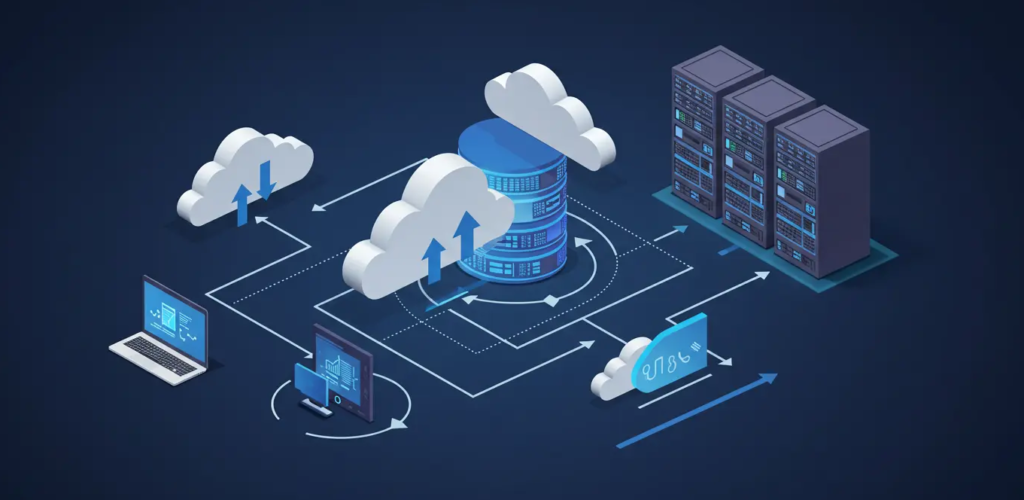
As startups scale, the hidden costs of cloud management often manifest as increased engineering burnout and inefficient resource allocation. By acting as a specialized middleware between YC-backed workflows and AWS environments, Porter removes the friction of manual configuration. For investors, this signals a shift in the infrastructure market toward developer-centric tools that prioritize time-to-market. Investors are increasingly favoring platforms that reduce operational overhead, as these tools directly correlate with a startup’s ability to achieve product-market fit faster and with fewer dedicated DevOps hires.
Operational Efficiency in the Post-Cloud Native Era
Porter simplifies the deployment of complex applications on AWS by automating infrastructure provisioning and management. This allows early-stage companies to leverage enterprise-grade cloud capabilities without requiring a dedicated team of systems architects. The focus here is on reducing the deployment lifecycle from weeks to days, effectively lowering the barrier to entry for complex, data-intensive startup architectures.
Navigating the Infrastructure Lifecycle
This solution is primarily designed for high-growth startups currently scaling their digital infrastructure on AWS. It is particularly relevant for CTOs and founding engineers at YC-affiliated startups or those in the Seed to Series B phase who are looking to avoid the technical debt associated with manual cloud infrastructure management. Companies operating in SaaS, fintech, and data analytics—where scalability and reliability are non-negotiable—stand to gain the most from this streamlined approach.
Tepi AI First Filter Analysis
This is a clear signal that the infrastructure-as-a-service market is moving toward greater abstraction and automation. For founders, the strategic value lies in the shift from managing cloud resources to managing application outcomes. We expect to see increased interest from VCs in tools that mitigate the engineering resource crunch, particularly as cloud bills become a focal point of quarterly board reviews. While many infrastructure players compete for attention, those that successfully bridge the gap between complex cloud environments and lean startup teams will see the highest levels of adoption and retention in the current fiscal year.
The Next Wave of Infrastructure Simplification
Expect to see a broader industry push toward infrastructure-agnostic platforms that allow startups to remain cloud-flexible while retaining the benefits of specialized orchestration tools. As more startups reach the growth stage, the demand for “plug-and-play” cloud environments will become a prerequisite for institutional funding.
For real-time alerts on similar funding opportunities, subscribe to the Tepi AI newsletter. Full details and application links are available in our dashboard.