The global surge in artificial intelligence development has placed unprecedented pressure on the semiconductor industry, but at Samsung, the strain has reached a breaking point. A looming 18-day strike at the South Korean chip titan has sent shockwaves through the tech sector, raising immediate concerns regarding the stability of global supply chains. As the demand for high-bandwidth memory and advanced processors climbs, the internal friction between Samsung’s leadership and its workforce is now threatening to disrupt one of the world’s most critical manufacturing pipelines.
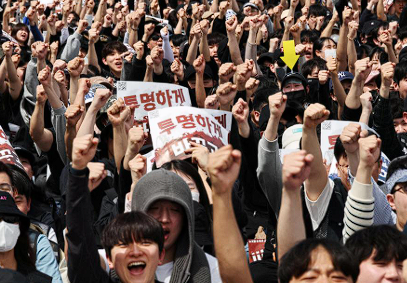
Strained Labor Relations in the Age of Silicon
The industrial action is not merely a localized dispute but a reflection of the deep-seated tensions within a company struggling to balance aggressive AI-driven production targets with the needs of its workforce. For years, Samsung has leaned on its massive operational scale to maintain its competitive edge against rivals like TSMC and SK Hynix. However, the current labor unrest suggests that the internal machinery required to fuel the AI revolution is showing signs of fatigue, creating an environment where employee grievances over wages and working conditions are beginning to stall production momentum.
Market Volatility and Investor Anxiety
The threat of a prolonged shutdown has left foreign investors on edge, as Samsung remains a bellwether for the broader tech market. When production at the scale of a company like Samsung faces uncertainty, the ripple effects are felt instantly across the electronics ecosystem, from data center infrastructure to consumer devices. With the South Korean government keeping a close watch on the negotiations, the situation highlights the vulnerability of global tech giants that rely on rigid, high-pressure output models to satisfy the insatiable market appetite for AI-ready hardware.
Supply Chain Vulnerability Under Scrutiny
Beyond the immediate financial implications, the standoff forces a difficult conversation about the resilience of the semiconductor supply chain in an era of heightened volatility. As chipmakers race to capture market share in the AI sector, the reliance on single-location production hubs has become a potential liability. For the tech industry, this dispute serves as a stark reminder that the future of artificial intelligence is tethered as much to labor stability and manufacturing logistics as it is to software innovation and algorithmic prowess.
For real-time alerts on similar AI and tech updates, subscribe to the Tepi AI newsletter. Full details and application links are available in our dashboard.