
Strategic Pivot in European Aerospace Propulsion
Avio CEO Giulio Ranzo has signaled a critical shift in the European space sector, arguing that the immediate priority should be scaling production of existing, proven rocket technology rather than diverting resources toward unproven startup ventures. As Avio reports a 19 percent surge in performance, the industry leader warns that meeting record-breaking launch demand requires operational maturity over experimental innovation.
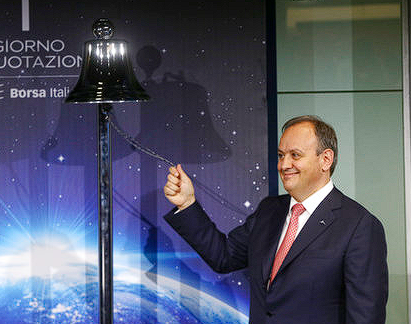
The Pragmatic Shift in European Launch Strategy
This stance represents a significant tension point for the space-tech investment landscape. For years, European venture capital has flooded into new launch vehicle startups, driven by the promise of low-cost, high-frequency access to orbit. However, with the current supply chain and defense landscape requiring immediate, reliable hardware, investors are beginning to prioritize companies with active, scalable production lines. This suggests a tightening of the capital funnel for early-stage space startups that cannot demonstrate a clear path to manufacturing maturity or immediate integration with defense-sector requirements.
Key Performance Indicators for the Space Hardware Sector
Avio SpA recently recorded a 19 percent revenue growth during the latest reporting period.
The company is focusing on tactical defense propulsion and orbital rocket hardware as core growth engines.
European policy is increasingly favoring established players to bridge the gap between launch demand and current capacity.
Investors are shifting their focus toward hardware manufacturers that can sustain year-over-year production increases.
Navigating the Hardware-First Investment Climate
This shift directly impacts deep-tech founders and hardware startups currently seeking series-stage funding. Founders in the orbital transport, propulsion, and defense sectors should prepare for heightened scrutiny regarding manufacturing scalability. Investors are likely to favor startups that have achieved flight heritage or possess proprietary, high-barrier-to-entry propulsion technology. Founders operating in the pre-revenue phase or those heavily reliant on experimental R&D may find institutional capital increasingly scarce, as the market pivots toward reliability and current operational output over long-term speculative development.
Tepi AI First Filter Analysis
This is a clear signal of market consolidation and a flight to quality within the European space ecosystem. We are moving away from the era of pure-play venture betting on rocket science and into a phase of industrialization where execution and supply chain control define winners. For founders, the gap between a prototype and a product has never been wider; focus must now shift from technical novelty to manufacturing velocity. Investors will likely look for companies that can partner with, rather than compete against, established incumbents to capture the current demand for orbital logistics.
The Outlook for Orbital Infrastructure
Expect a shift in government and private grant allocation over the next 24 months, with a higher percentage of funding directed toward scaling existing platforms. Startups that position themselves as niche suppliers to these Tier-1 providers will likely emerge as the most attractive acquisition targets, while pure-play launch startups will face an increasingly difficult road to liquidity without immediate, quantifiable operational success.
For real-time alerts on similar funding opportunities, subscribe to the Tepi AI newsletter. Full details and application links are available in our dashboard.