
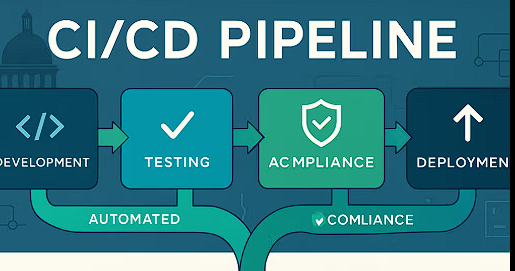
Companies operating in safety-critical sectors are increasingly leveraging automated continuous integration and continuous delivery (CI/CD) pipelines to compress development cycles and mitigate the high financial burden of compliance. Recent operational data indicates that the integration of reproducible builds and automated compliance workflows can reduce the time required to meet rigorous standards—such as IEC 61508, ISO 26262, and IEC 62304—by 25 percent. For manufacturers in the automotive, medical, and industrial automation sectors, this shift represents a strategic transition from manual, error-prone certification processes to a more predictable, software-driven infrastructure.
Standardizing Compliance to Reduce Defect Costs
The transition toward automated compliance is driven by the significant expense associated with late-stage software defects and certification bottlenecks. By embedding compliance checks directly into the development pipeline, engineering teams can identify non-conformities in real time rather than during end-of-lifecycle audits. This systematic approach not only reduces the risk of product recalls but also lowers the total cost of quality, allowing firms to allocate capital more efficiently toward innovation rather than administrative remediation.
The Strategic Value of Reproducible Builds
Reproducible builds serve as the bedrock of this efficiency gain, ensuring that the same source code consistently produces the identical binary output regardless of the environment. In the context of functional safety, where auditability is mandatory, the ability to replicate a specific build state is a competitive advantage. It simplifies the evidence-gathering process required by regulatory bodies, effectively shortening the timeline for market entry. As industry standards become more stringent, companies that adopt these automated practices are positioning themselves to outpace competitors who remain reliant on legacy, manual verification workflows.
Operational Efficiency as a Growth Driver
The ability to cut certification timelines by a quarter has tangible implications for corporate strategy and time-to-market. In markets where product life cycles are accelerating, the speed of compliance acts as a gatekeeper to revenue realization. By optimizing these workflows, businesses can navigate the complex regulatory landscapes of global markets with greater agility. This operational pivot reflects a broader industry trend where software-defined infrastructure is increasingly viewed as a primary factor in managing systemic risk and sustaining long-term margin improvements in complex engineering environments.
For real-time alerts on similar business and market updates, subscribe to the Tepi AI newsletter. Full details and application links are available in our dashboard.