
Meta is moving its AI assistant Muse far beyond simple conversations. Just weeks after launch, the company has announced a wave of new features that could turn Muse into an AI agent capable of working across apps, devices and online services. Meta unveiled the updates at its Connect 2026 event, positioning Muse as a bigger part of its consumer AI strategy.
Muse Is Moving From Chat to Action
The biggest change is the shift from answering questions to completing tasks. Muse is designed to connect with services such as email and calendars and work on tasks after users give it instructions. Meta says Muse runs on a dedicated secure virtual machine, allowing the agent to operate a browser, interact with websites and continue working in the background when a task takes longer.
That makes Muse different from a traditional chatbot. Instead of asking AI for instructions on how to complete a task, users can increasingly ask the agent to handle the task itself.
Muse Gets a Face and a Voice
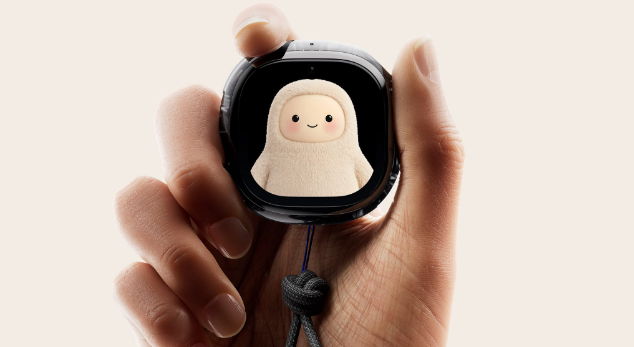
Meta is also giving Muse a more human interface. Users will soon be able to create a distinct digital avatar for their agent and interact with it through real-time video conversations. The feature will use Meta’s new Muse Realtime Avatar model, giving the AI a face, body and voice during conversations.
The move could make AI assistants feel less like software and more like persistent digital collaborators. It also fits Meta’s broader push toward AI experiences that combine text, voice, video and visual interaction.
Muse Is Coming to Smart Glasses
Muse will also move beyond phones and computers. Meta plans to bring the agent to its smart glasses, allowing users to activate Muse with a wake word and communicate with it hands-free. The company says Muse could help with tasks such as personalized workouts, meal logging, appointments and shopping.
This could be an important shift for AI assistants. Instead of opening an app whenever help is needed, users could interact with an agent while moving through the real world.
Muse Could Run Your Mac
Meta is also expanding Muse’s ability to work directly on computers. On Mac, users will be able to delegate tasks and let Muse operate desktop applications while they step away from the machine. Meta says this could include helping run a small business or completing work that users have queued up.
For startups and small businesses, this is one of the more significant developments. An AI agent that can work across multiple desktop applications could eventually handle repetitive operational tasks without requiring a separate automation workflow for every application.
Muse Is Getting Its Own Email
Meta is developing a dedicated email address for Muse so users can add the agent to email conversations or forward messages for it to handle. The company says the feature is coming soon.
That may sound like a small feature, but it reflects a larger change. AI agents need their own identity and communication channels if they are going to operate continuously on a user’s behalf.
Shopping, Payments and Connectors
Meta is also building a broader ecosystem around Muse. The company has announced integrations with Shopify, Stripe and PayPal, along with connections to retailers and services including Best Buy, Sephora, Walmart, Wayfair and Expedia. Other connectors include GitHub, Granola and Notion, with Instacart support also planned.
Meta has also opened its platform to developers who want to build their own connectors. According to the company, it received more than 1,500 applications in less than a week.
For developers and startups, that could create a new layer of opportunity. If AI agents become a major way people interact with software, companies may need to build products that agents can discover, understand and operate.
What Muse Means for AI Startups
The bigger story is not any single Muse feature. It is the direction of the product.
Meta is building Muse around the idea that users should be able to give an AI agent a goal and let it coordinate the work. The company has also built permission controls, audit trails and a secure virtual environment around the agent, with users deciding which services Muse can access.
For AI startups, this changes the opportunity. Building another chatbot may become less valuable as platforms move toward agents that can actually perform tasks. The bigger opportunity could be in specialised agents, integrations, connectors and tools that help AI systems complete specific jobs reliably.
Meta’s Muse is still evolving, but its direction is clear: AI is moving from answering users to acting for them.
For more AI, startup and technology updates, explore Tepi AI
-Written By Rudransh Singla