
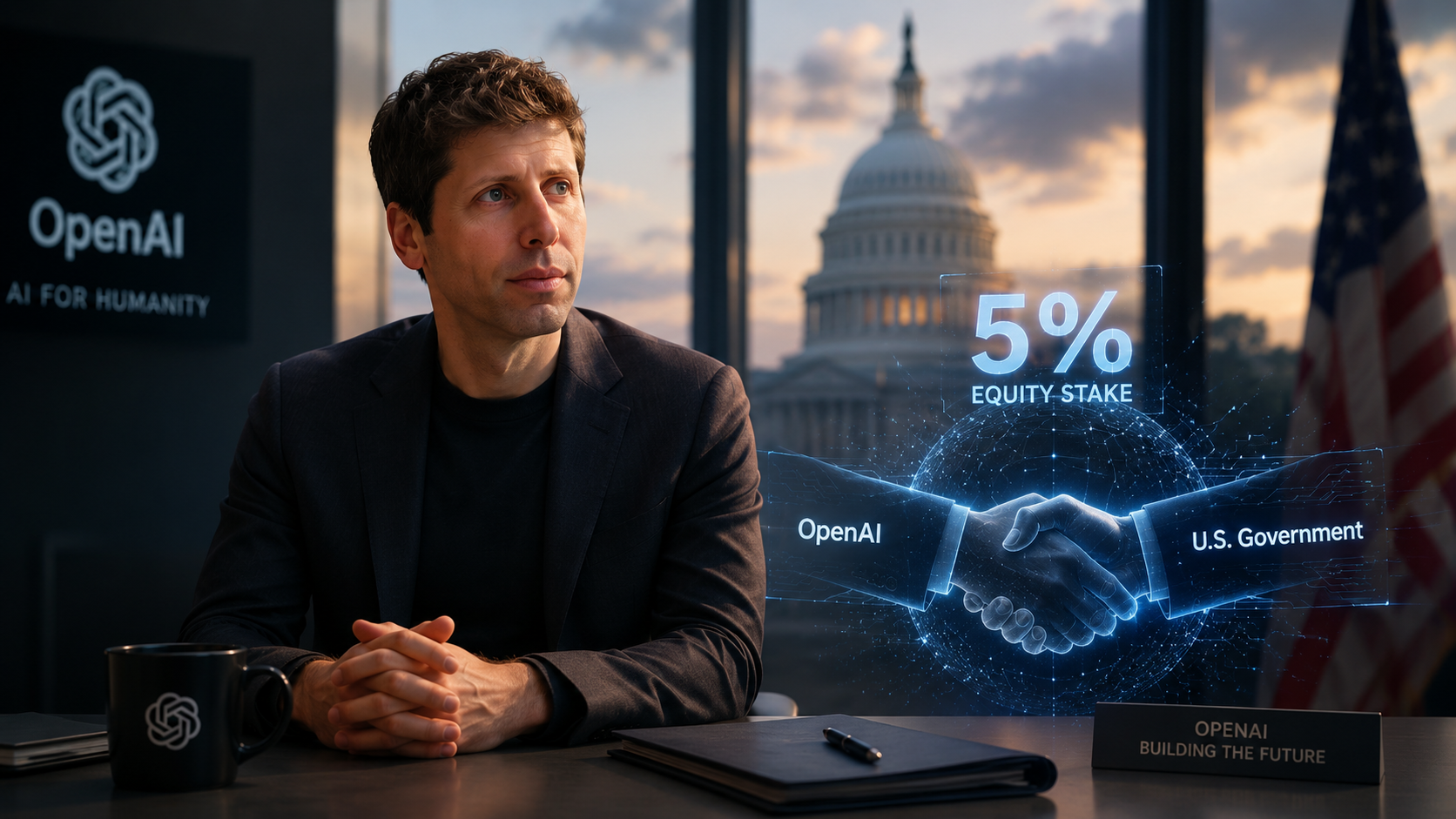
For years, startups have viewed governments as regulators that create rules after innovation happens. But that relationship may be changing. According to recent reports, OpenAI is exploring a proposal to give the U.S. government a 5% equity stake through a public investment fund. While the proposal is still in its early stages and would require approval before becoming reality, it signals a much bigger shift than most founders realize.
This isn’t just another AI headline. It’s a glimpse into how governments and AI companies may work together in the future. If you’re building a startup today, understanding this shift could help you make smarter decisions about funding, compliance, and long-term growth.
Regulation Could Become a Competitive Advantage
Most founders think about regulations only when they become mandatory. But AI is different. Governments around the world now consider AI a strategic technology that impacts national security, economic growth, and public services. Instead of simply creating rules, they are looking for ways to become active participants in the AI ecosystem. OpenAI’s reported proposal reflects this changing mindset. Whether the deal happens or not, founders should expect stronger collaboration between AI companies and governments over the coming years.
Why Every Founder Should Care
It is easy to assume this news only matters for billion-dollar companies like OpenAI. History suggests otherwise. Large technology companies often set the standards that eventually influence the rest of the startup ecosystem. Privacy regulations, cybersecurity frameworks, and cloud security certifications all started with larger organizations before becoming common expectations for startups. If AI regulation becomes more structured, early-stage founders will likely need to think about governance, transparency, and responsible AI much earlier than before.
Startup Funding Is Also Changing
The AI funding landscape is becoming more competitive every year. Investors are no longer looking only at product quality or market size. Increasingly, they also evaluate whether startups are prepared for future regulations, enterprise compliance, and responsible AI development. Founders who can demonstrate trust, security, and ethical AI practices may stand out during fundraising. Building with compliance in mind could become a real competitive advantage rather than an operational burden.
What Founders Should Do Next
The biggest lesson isn’t that startups should offer equity to governments. Instead, founders should recognize that governments are becoming more involved in innovation through grants, accelerators, public-private partnerships, and AI initiatives. This creates new opportunities beyond traditional venture capital. Smart founders should explore government grants, startup competitions, accelerator programs, and strategic partnerships while also building products that prioritize transparency and trust. Those who prepare early will be better positioned as the AI startup ecosystem continues to evolve.
Final Thoughts
OpenAI’s reported proposal is about much more than a 5% equity stake. It highlights a future where governments, investors, and startups may work together more closely than ever before. Whether you’re building an AI product today or planning one tomorrow, this is a trend worth watching. The founders who understand these shifts early will be better equipped to raise funding, win partnerships, and build companies that thrive in the next generation of AI innovation.
Build Smarter with Tepi AI
At Tepi AI, we don’t just report startup news, we explain what it means for founders. From startup funding and grants to AI trends, accelerators, government schemes, and founder stories, our goal is to help entrepreneurs discover opportunities before everyone else.
👉 Read more founder-first insights at https://tepiai.com