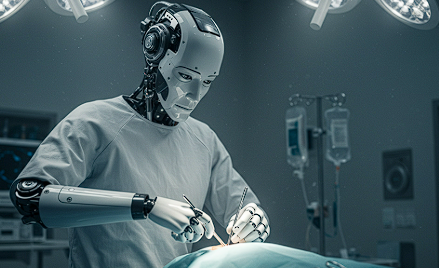
The integration of generative artificial intelligence into the aesthetic medicine sector is creating a significant misalignment between patient expectations and surgical reality. As consumers increasingly leverage large language models and image generation tools to define their beauty standards, plastic surgeons are reporting an uptick in requests for procedures that are anatomically impossible or biologically unachievable. This shift represents a growing friction point for practitioners, who now find themselves tasked with managing the gap between synthetic digital ideals and clinical limitations.
The Risk of Algorithmic Beauty Standards
The core of the issue lies in the predictive nature of AI models, which often generate imagery based on mathematical symmetry rather than human physiology. These digital outputs lack the constraints of skin elasticity, bone structure, and recovery limitations that define actual surgery. For the aesthetic industry, this trend introduces a new layer of pre-operative consultation complexity, as surgeons must pivot from purely surgical planning to educational triage, often having to deconstruct AI-generated prompts that ignore the fundamental realities of human anatomy.
Operational Challenges for Aesthetic Clinics
Clinics are finding that the time required to manage patient expectations is expanding, directly impacting the operational efficiency of consultations. When patients arrive with AI-generated templates, the standard of care requires providers to invest more resources in clarifying the discrepancy between software-rendered outcomes and physical probability. This creates a bottleneck in the patient intake process, forcing clinics to reconsider how they onboard new clients and manage the risks associated with informed consent in an era where digital hallucinations often supersede professional medical guidance.
Long-term Shifts in Patient Relationship Management
This trend signals a broader shift in how medical professionals must engage with technology-literate consumers. The rise of AI-assisted body dysmorphia is compelling medical practices to invest in better communication strategies and potentially adopt their own, strictly regulated imaging technologies that provide realistic simulations. As the boundary between curated digital personas and physical appearance continues to blur, the aesthetic surgery market may see an increase in liability management and stricter protocol development regarding the use of external AI tools during the pre-surgical journey.
For real-time alerts on similar business and market updates, subscribe to the Tepi AI newsletter. Full details and application links are available in our dashboard.