The current wave of artificial intelligence investment is increasingly beginning to look less like a technological revolution and more like a high-stakes shell game. As large-scale AI companies prepare for potential public offerings, industry observers are pointing to a concerning trend: the shifting of immense investment risk from early-stage venture capitalists to the unsuspecting retail investor. This dynamic raises hard questions about the mathematical sustainability of the AI boom, suggesting that the ballooning valuations we see today may be disconnected from the actual revenue-generating power of the underlying models.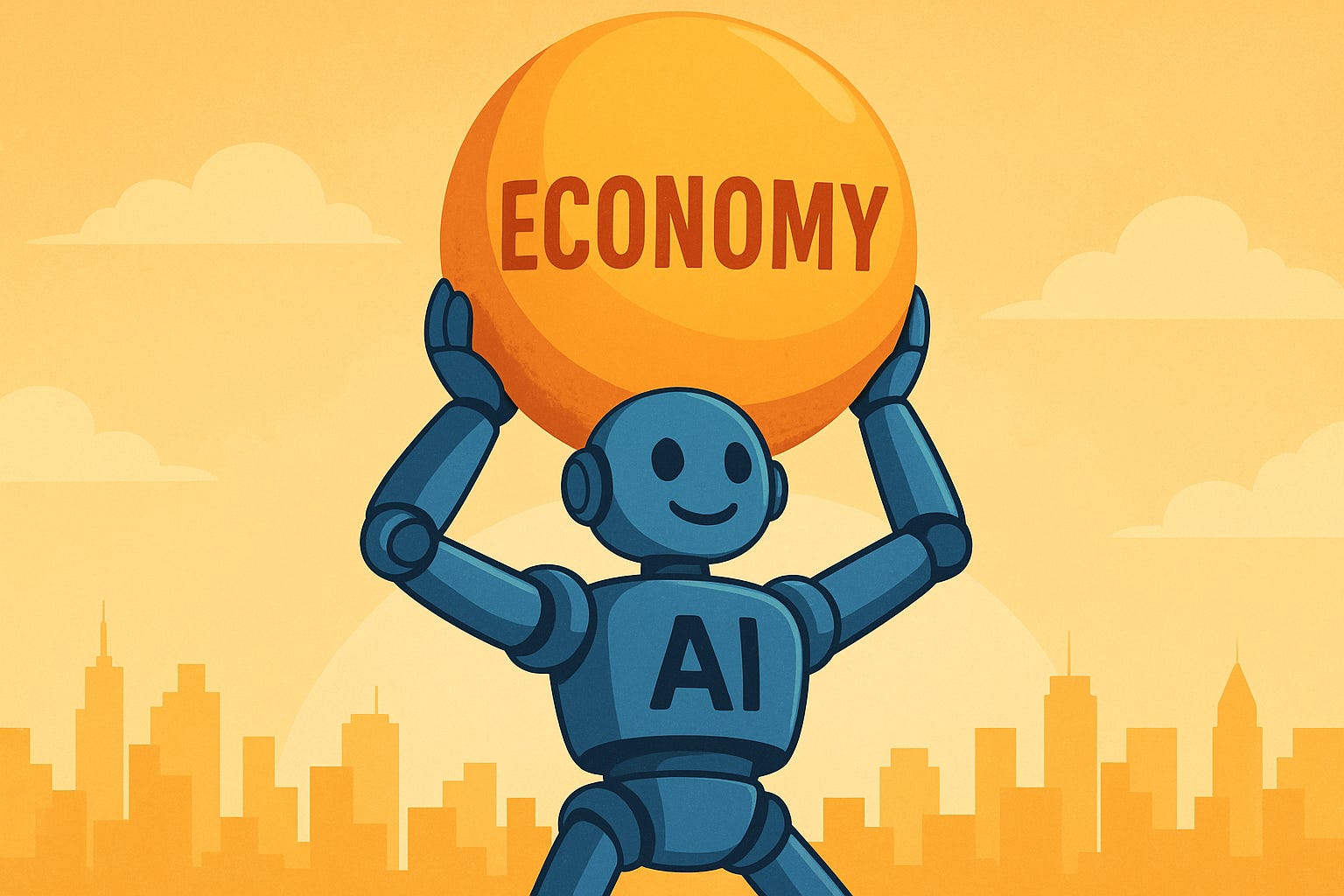
The Mechanics of Risk Migration
The anticipated IPOs of major sector players are serving as the primary vehicle for this financial transition. By moving these companies from the private markets, where institutional investors have traditionally conducted deep due diligence, to the public stock exchanges, the original backers are effectively offloading their positions. For the retail investor, who often lacks access to the same level of private market insight, this represents a significant shift in exposure. The question remains whether these tech giants can justify their current premiums once they are forced to report under the rigorous scrutiny of quarterly public disclosures, rather than relying on the hype cycles of private funding rounds.
When Mathematics Meets Market Sentiment
At the heart of the debate is the tension between massive capital expenditure and verifiable returns. AI infrastructure is notoriously expensive to build, maintain, and scale, yet the monetization paths for many of these firms remain speculative at best. When the math behind massive computing costs is juxtaposed with uncertain consumer or enterprise adoption rates, the resulting valuation models start to look fragile. If these companies continue to prioritize growth at all costs without a clear roadmap to profitability, the public markets may prove far less forgiving than the venture capital environment that fueled their ascent.
The Looming Reality of Public Scrutiny
Transitioning to a public entity is rarely a neutral move. It demands a level of operational transparency that many AI startups have managed to avoid during their meteoric rise. As these firms prepare to list, the industry will soon discover if the technological promise matches the financial narrative. For the broader market, the outcome of these IPOs will act as a litmus test for the entire artificial intelligence sector. If the math continues to drift away from reality, the fallout could fundamentally reset how we value the next generation of software innovation, potentially curbing the aggressive spending that has defined the last two years of tech industry activity.
For real-time alerts on similar AI and tech updates, subscribe to the Tepi AI newsletter. Full details and application links are available in our dashboard.